
Designing AI-Native Interfaces: Patterns Beyond the Chatbox
The chat bubble is the iframe of the AI era — useful, lazy, and rarely the right answer.
Slapping a chat panel on every product is the 2026 equivalent of putting a hamburger menu on every page. AI-native design starts when the model disappears into the workflow instead of demanding its own room.
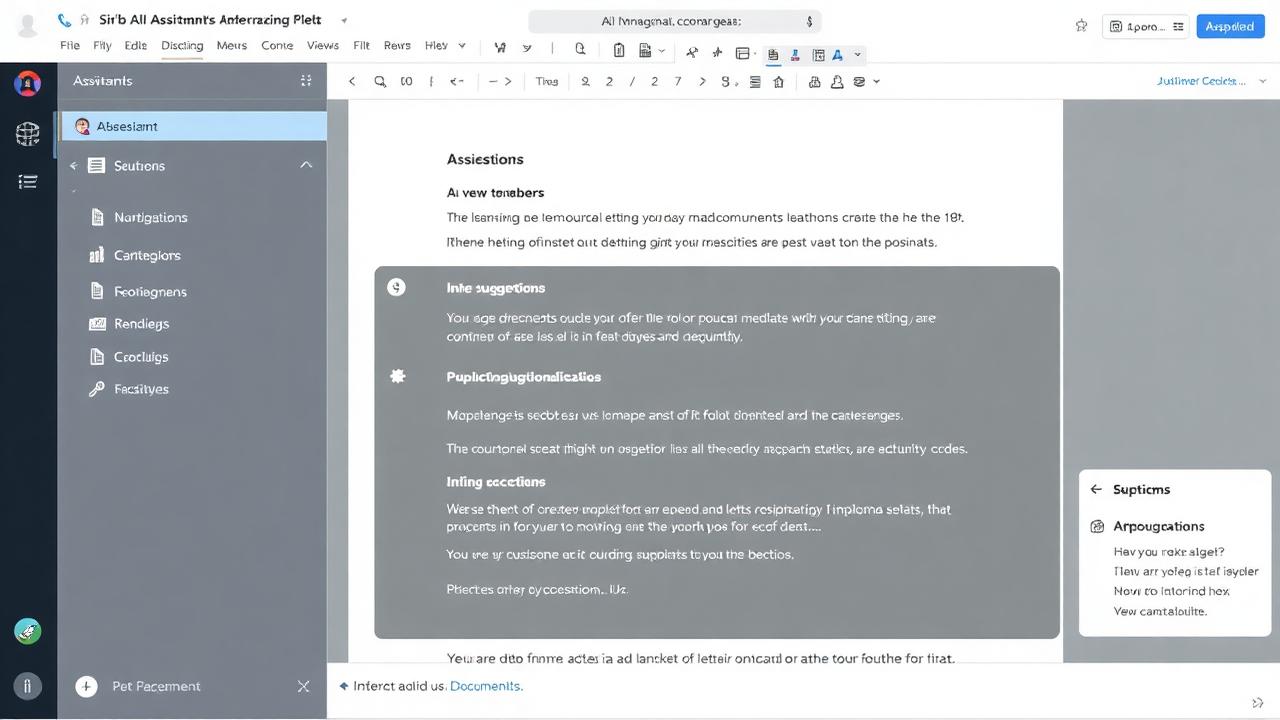
Inline over modal
Suggestions that appear next to the cursor outperform suggestions hidden behind a button — every time we have tested it. Reduce the distance between intent and answer.
Generative surfaces
Instead of a fixed UI, let the model assemble the surface — cards, forms, tables — based on what the user just asked. This is harder to design but is where the real differentiation lives.
Confidence as a first-class element
Every AI output should ship with a visible signal of how much to designing trust into AI it. A subtle bar, a citation, a "regenerate" affordance — pick one and use it consistently.
Related AI Design Posts

Why Your Beautiful Interface Doesn't Convert
A gorgeous design that doesn't drive user action is just expensive decoration. Here's how to design interfaces that actually get results.

A Filter Nobody Opens Isn't a Feature
Some content is global, some is regional. Putting that in a filter menu means the one person who most needs it never sees it, because they never opened the menu.
The Work Is Deleting, Not Generating
AI made producing screens almost free. That moved the bottleneck from making things to deciding which ones to throw away, and no model will do that part for you.