Investor Loan Platform
Replacing Excel as the system of record for multi-million-dollar loan deals — without anyone losing their workflow.
I design and develop software
SaaS · Web apps · Mobile · Internal tools · Available now
I design the product and build it. You get working software, not a handoff.

Products I designed and shipped — most of them live, all of them with the decisions written down.
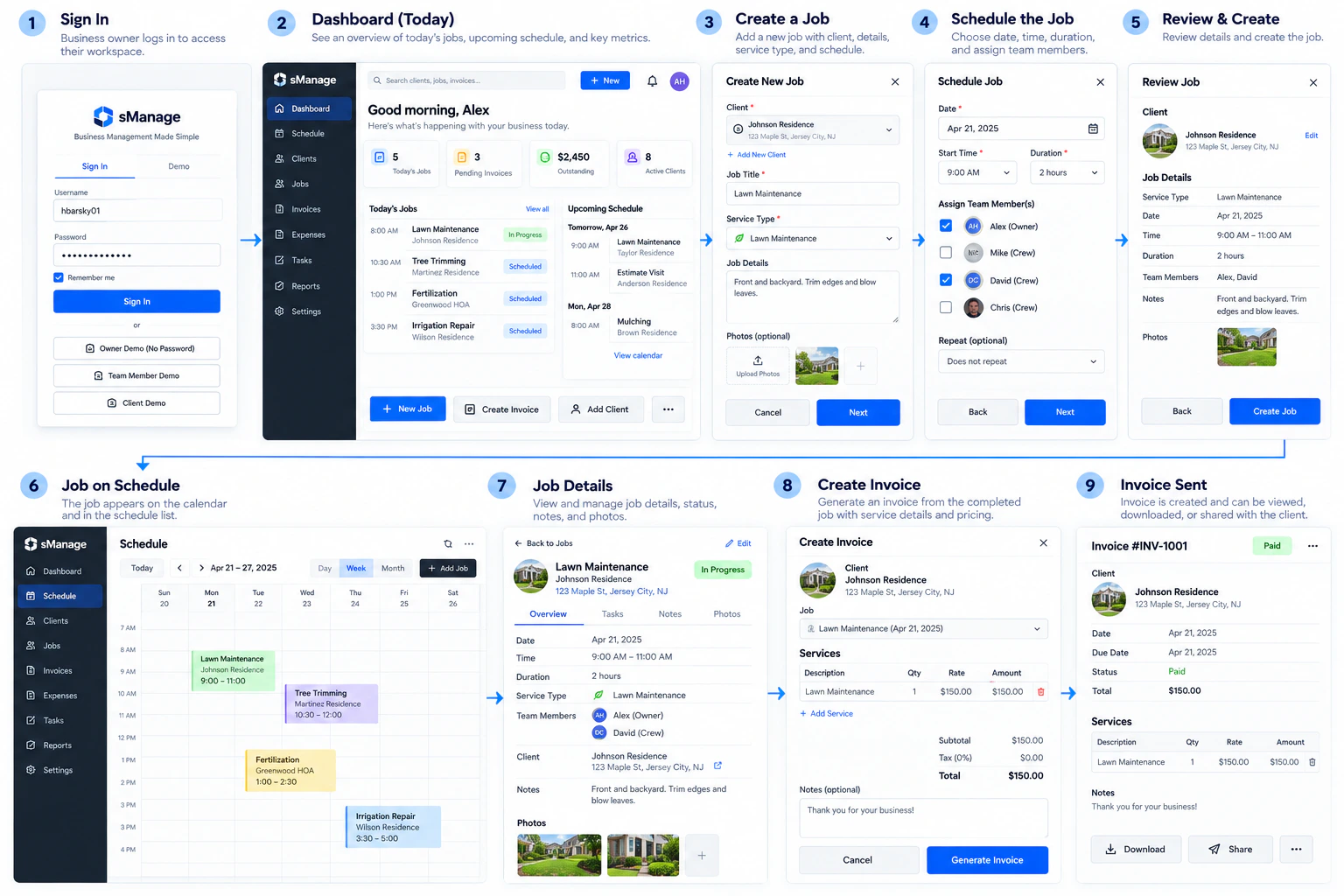
Replacing Excel as the system of record for multi-million-dollar loan deals — without anyone losing their workflow.
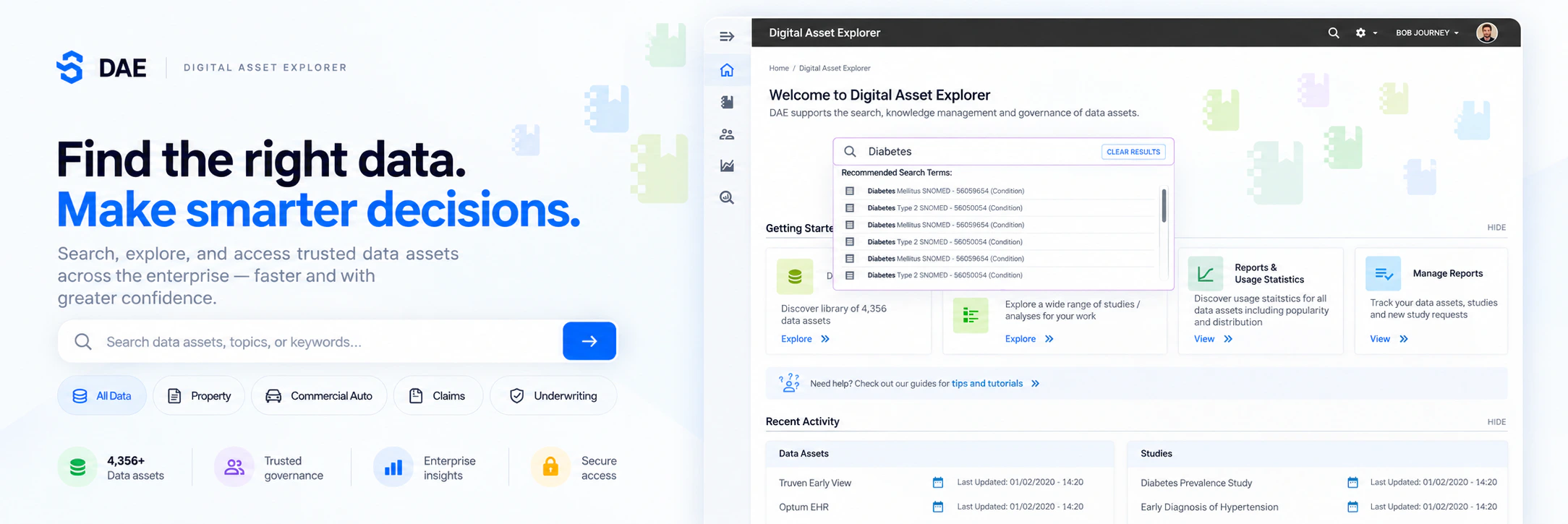
Enterprise search redesigned around the inconvenient truth that finding the data is only half the job — knowing whether to trust it is the rest.
An enterprise knowledge portal built from a client PRD. Region is a lens over the whole app, not a filter nobody opens.
Record it once, send a link. Native capture on Mac and Android with a web library — including the browser recorder I built and then deleted.
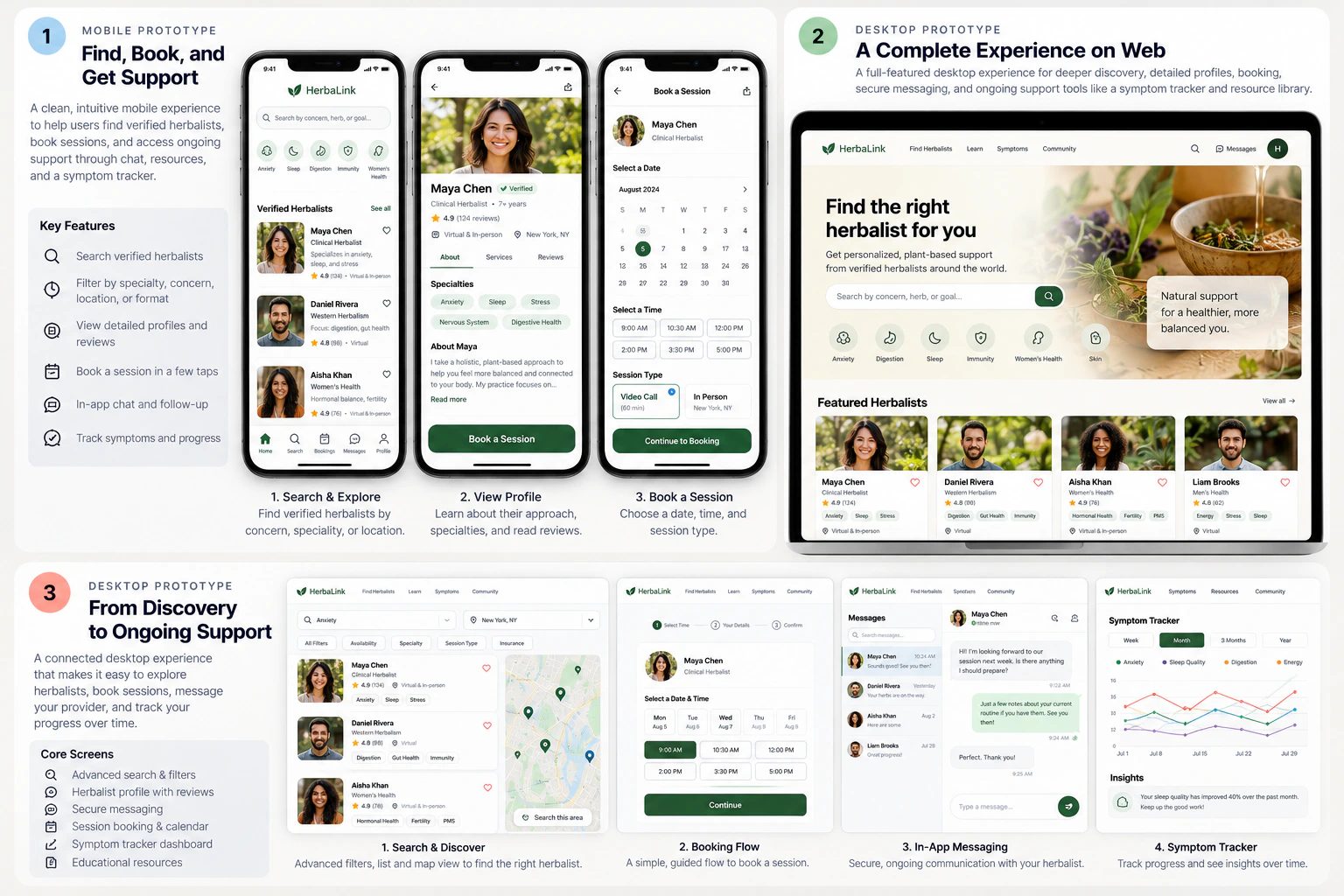
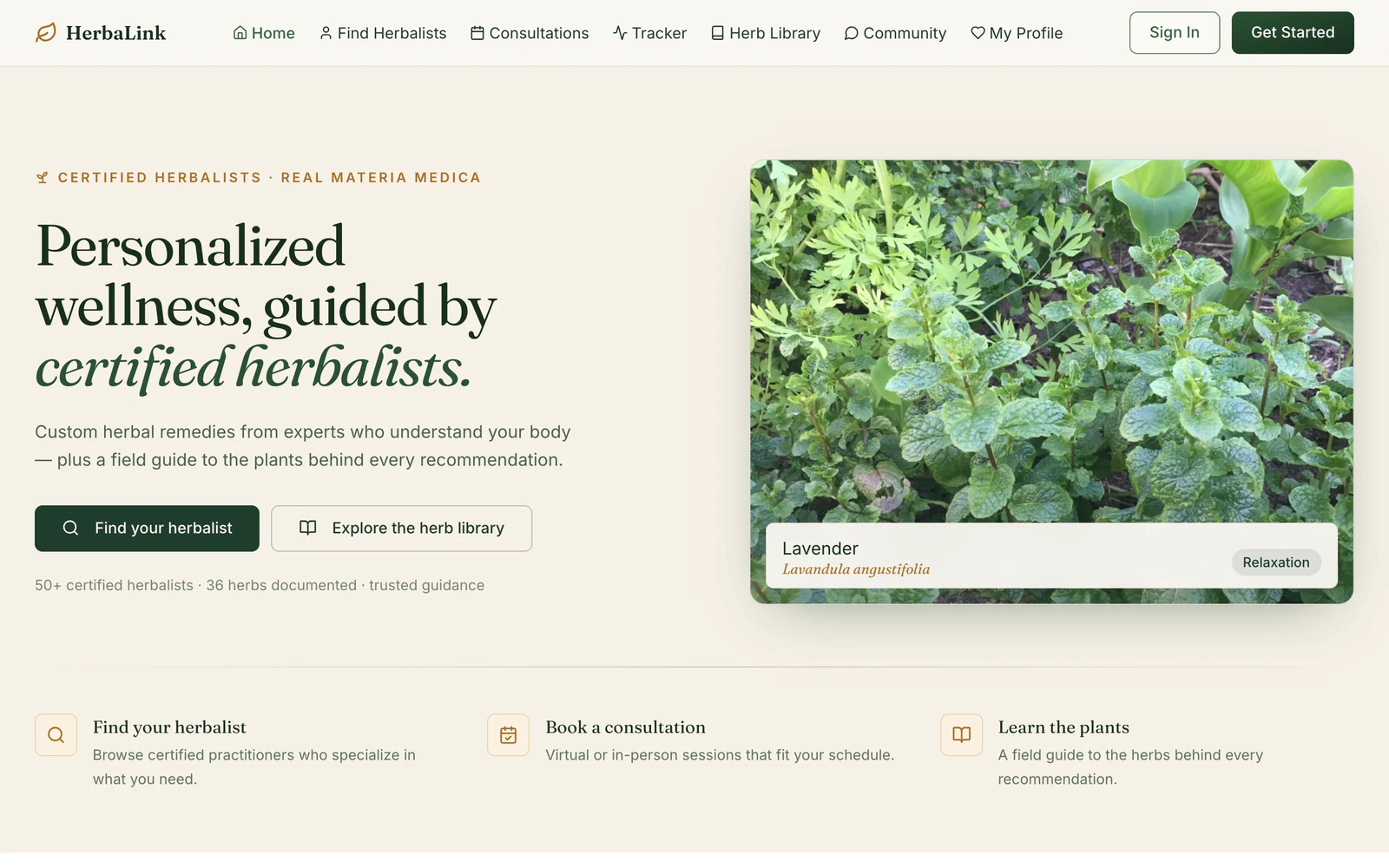
A booking platform for herbalists, built around the realization that the actual product is trust, not search.
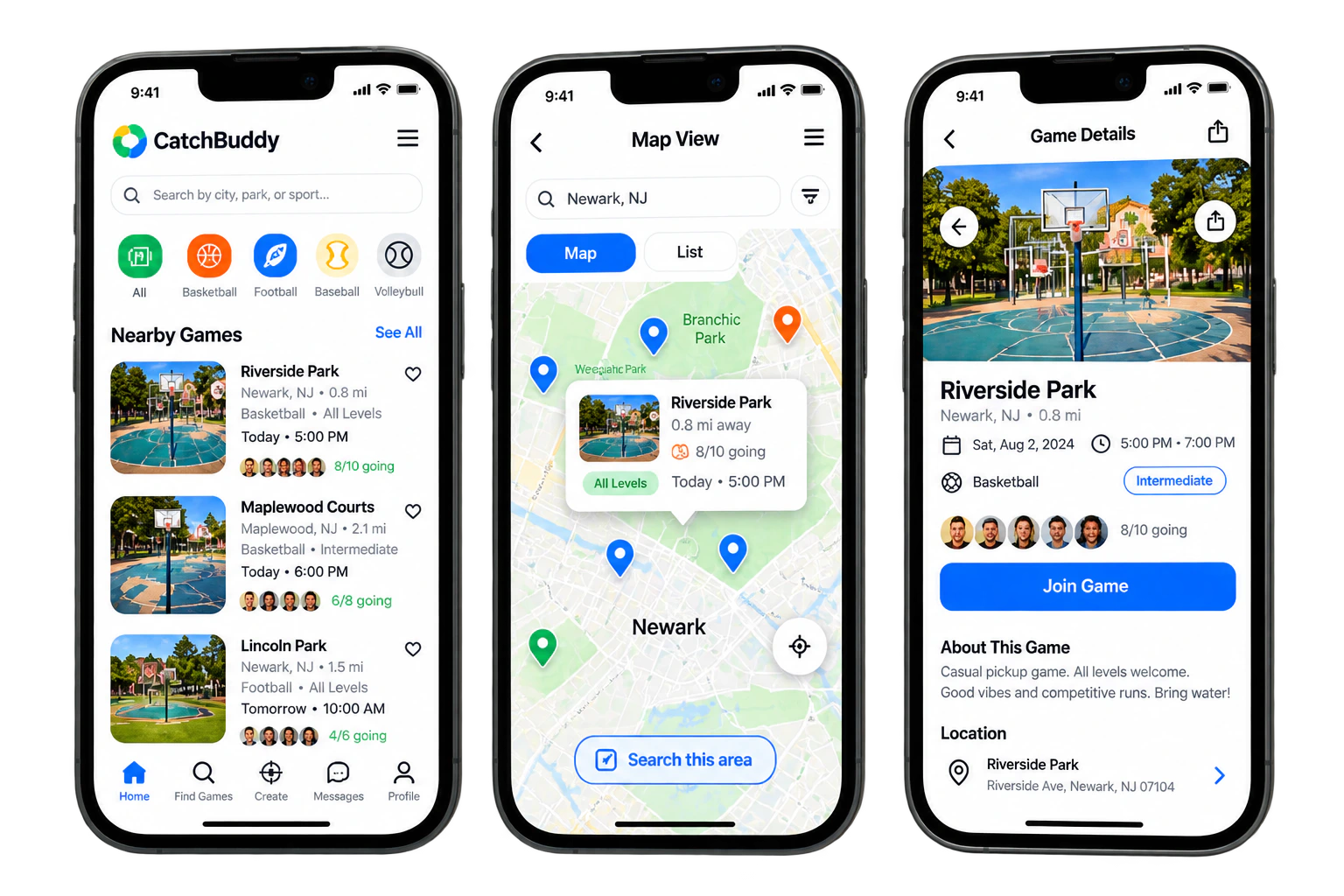
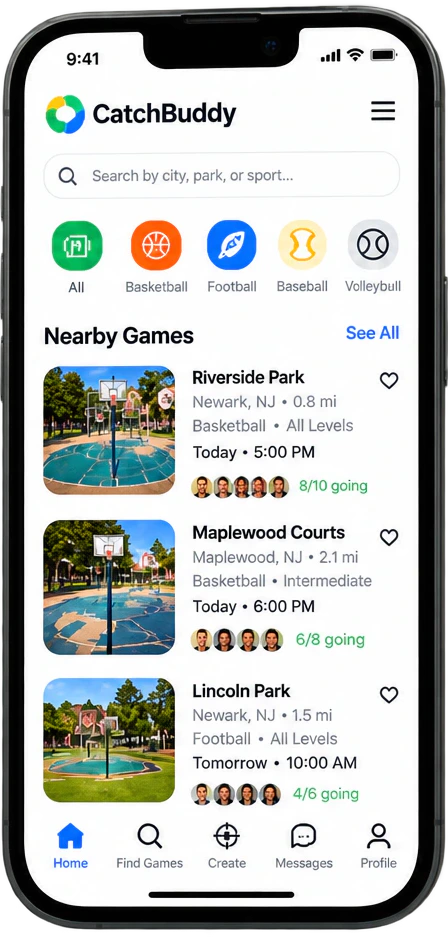
Same-day pickup sports, designed for trust. Post a game, see open games, confirm in a few taps.
Prediction markets you can actually read — play-money trading on real-world events, where the price is the probability.
Console boxing feel on the mobile web — distinct AI opponents, AI-generated trash talk, career mode. Built solo with AI as a co-builder.
A crypto trading interface for two audiences the industry insists you have to choose between — beginners paying hidden spreads, pros paying an are-you-sure tax.
I keep this section updated with the projects I'm actively building. These aren't polished case studies — they're experiments focused on speed, learning, and real business impact.

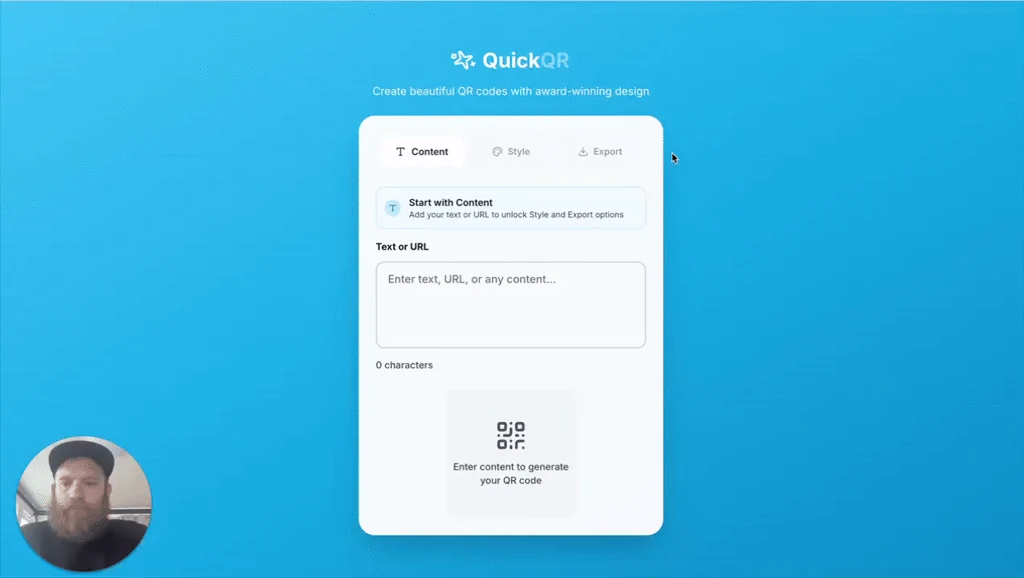
📱 Mobile-first design (but works everywhere) 🎨 Three simple sections: Content → Style → Export ⚡ No expiration headaches 🔄 Easy customization on the fl

Developing an accessible e-commerce platform that promotes community engagement and showcases inclusive design principles through user-friendly checkout processes and community reviews.

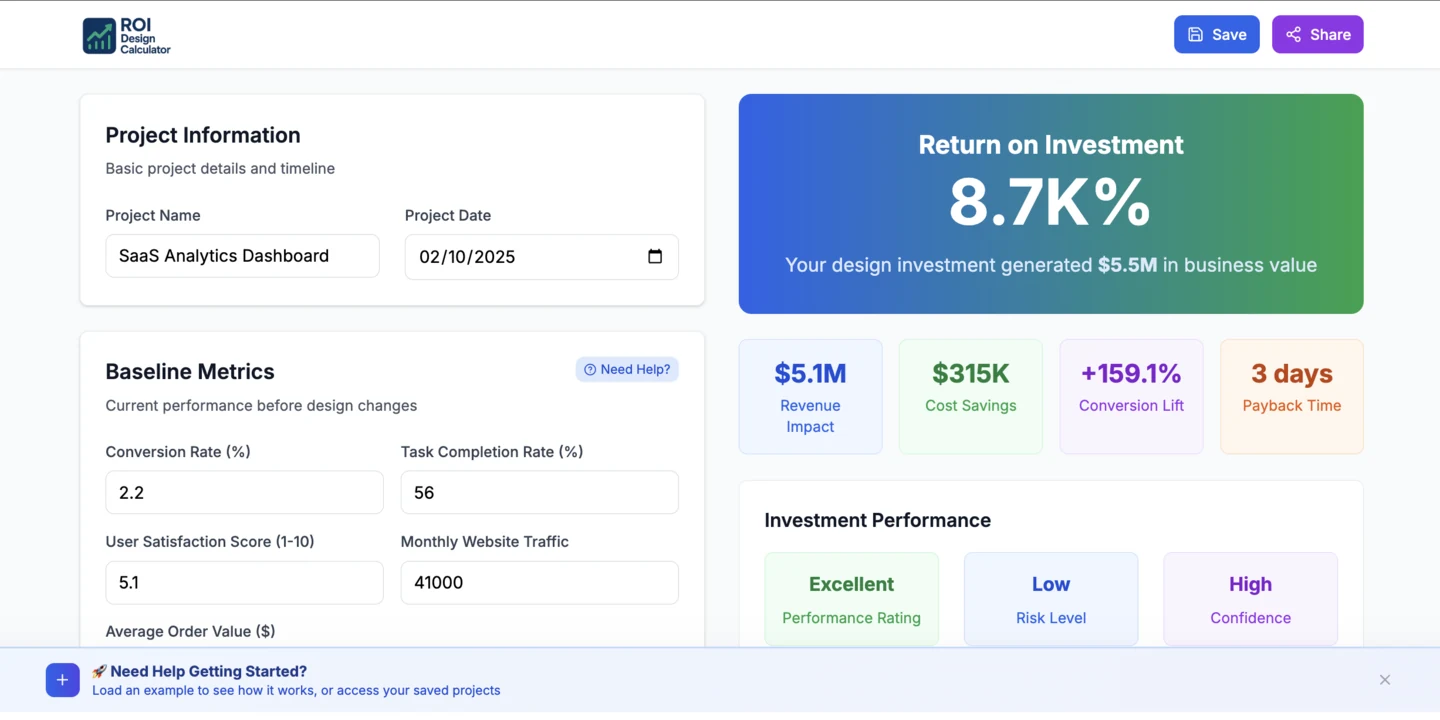
A tool to measure the business value of design in minutes instead of hours of spreadsheet work.

A booking and payment system that lets clients pay after appointments while giving salon owners a clear, centralized schedule view.

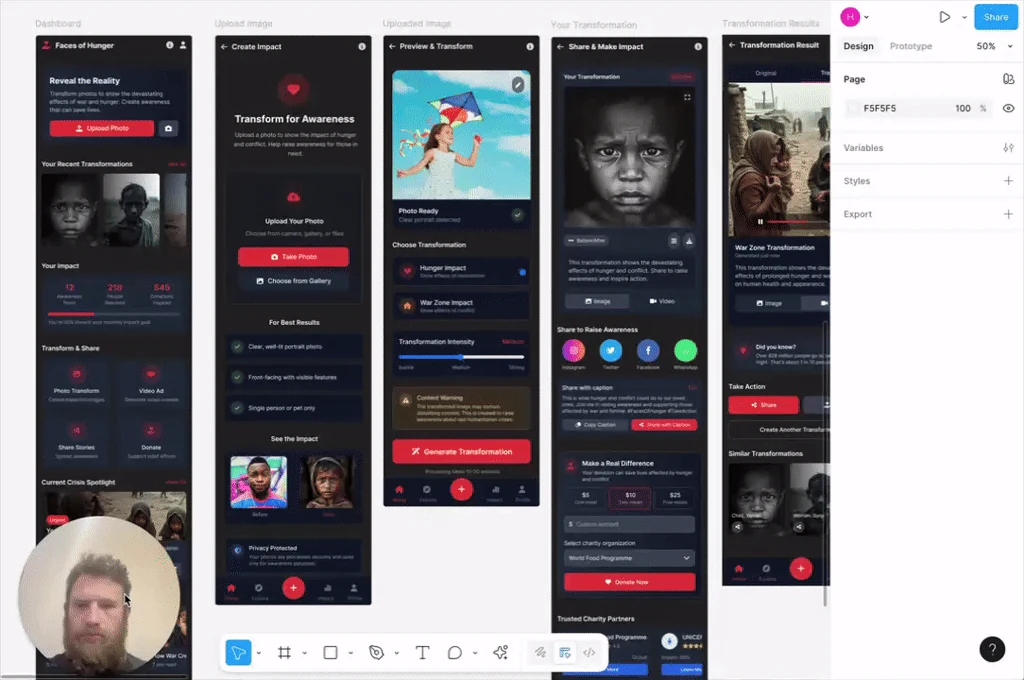
An awareness platform using design and AI to humanize food insecurity and spark community action.

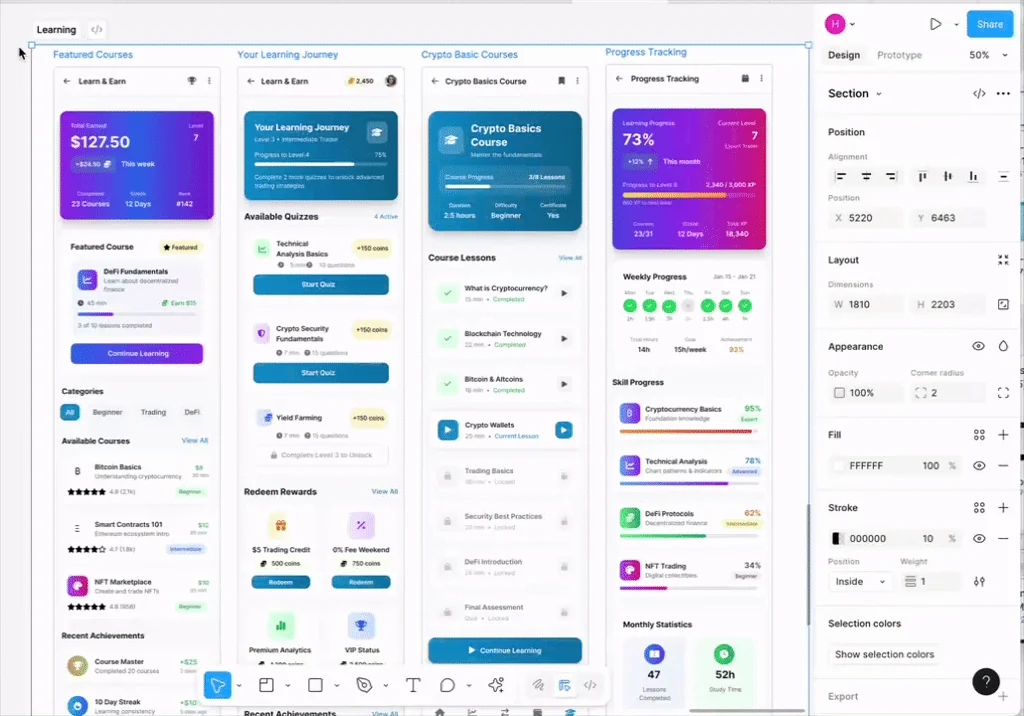
Designing an intuitive learning section for a crypto app that makes complex blockchain concepts accessible to beginners through interactive education.
Redesigned the mobile banking interface.
Led UX for Loan Central and ServiceNow IRM.
User-centered prototypes and platform design work.
Designed fintech apps; built a document manager app.
Created dashboards and data visualizations.
Led design initiatives across the platform.
Want to learn more about my experience?
Read my full storyI help early-stage startups transform complex problems into intuitive user experiences that drive real business results.
I believe great design happens at the intersection of user needs and business goals. Every project starts with understanding your users and ends with measurable improvements to your product's performance.
15+ years of experience in UX/UI design, combined with modern AI development skills. I create design systems that scale, conduct user research that informs decisions, and build prototypes that validate concepts.
Designing and building products with AI as part of the toolchain — it makes the raw material cheap, which moves the work to deciding what to keep. Five products of my own are live right now, all built that way.
“His ability to translate complex user requirements into intuitive, visually appealing designs sets him apart. His work consistently garnered positive feedback from colleagues and stakeholders alike.”
“One of the most talented designers I have had the pleasure to work with.”
“Unmatched in his ability to translate the often vague ideas from clients into beautiful, simple-to-use products.”
“Highly talented, creative, and perceptive. He asks smart questions to make sure he understands what clients need — and delivers clean, well-thought-out designs.”
“He takes charge of any situation and sees any task through to the end. I recommend Hiram for any project as the Lead UX Designer.”
“Always innovating and looking to improve. I would suggest him for senior and leadership roles.”

Some content is global, some is regional. Putting that in a filter menu means the one person who most needs it never sees it — because they never opened the menu.

AI made producing screens almost free. That moved the bottleneck from making things to deciding which ones to throw away — and no model will do that part for you.

Getting two strangers to agree to meet at a park is easy. Getting them to feel fine about it's the entire product — and it's not something you bolt on near the end.
I design and develop software: SaaS products, web apps, mobile apps, and the internal tools most teams put off. Design and front-end build are the same job here, done by the same person.
That means product design, React and TypeScript on the front end, and the database and auth underneath it. What you get at the end is a working product, not a spec someone else has to interpret.
Yes, and there are five live right now you can open and use — Ring-Rival, Stips, HerbaLink, CatchBuddy and Fire Lion. Each one is mine end to end: design, front end, database, auth, deploy.
The honest limit is scale. I'm a good fit for a first version, a rebuild, or a team that needs design and front end moving together. I'm not a substitute for an engineering department.
AI makes the raw material cheap — screens, variations, working code. That moves the bottleneck from making things to judging them, and the judgement is the job.
A concrete example: on Ring-Rival it meant cutting time-to-first-punch from 22 seconds to 6, by deleting the splash screen, mode select, fighter select and tutorial. No model tells you which four things to delete.
Both, but the work looks different. With startups it's usually a first version: decide what the product is, design it, build it, get it in front of people.
With established companies it's more often an internal tool, a rebuild of something that outgrew its original design, or a design system that needs to hold up across teams. Most of my 15+ years has been the second kind, in regulated software.
Timeline depends entirely on scope, so I'd rather scope it with you than quote a number here. What's consistent is the shape: understand the problem, design it, build it in the open, and put something usable in front of you early rather than at the end.
Because I build what I design, there's no handoff round-trip. Decisions get tested in a real browser on a real phone instead of surviving a translation layer.
I build to WCAG 2.1 AA and treat it as a constraint from the start, not a pass at the end. That means keyboard paths, focus states, contrast and screen-reader semantics designed in rather than retrofitted.
Most of my career has been in banking, healthcare and pharma, where accessibility conformance and audit review are requirements, not aspirations. That's where the habit comes from.
Front end: React, TypeScript, Vite and Next.js, with Tailwind for styling.
Backend and infrastructure: Supabase and Postgres, Cloudflare Workers and D1, with deploys on Netlify or Vercel. Mobile work is React Native via Expo.
Design happens in Figma, and I use Claude and other models throughout for generation and review. The point of the stack is that one person can carry a product from design to production with it.
It depends on scope, so I quote per project rather than publishing a rate card. I'll take a call, understand what you're building, and send a proposal with the scope and price written down.
The call is free and there's no pitch deck. If I'm not the right fit for what you need, I'll say so on that call rather than after you've paid for it.