
What AI Changed About Design Work, and What It Didn't
Two years of building products solo with AI. The changes are real and specific, and so is the list of things that are exactly as hard as they always were.
I've been designing products for fifteen years and building them solo with AI-enhanced UX design for a while now. The changes are real. They're also narrower and more specific than either the hype or the panic would have you believe, and I want to be exact about where.
Changed: Being Wrong Got Cheap
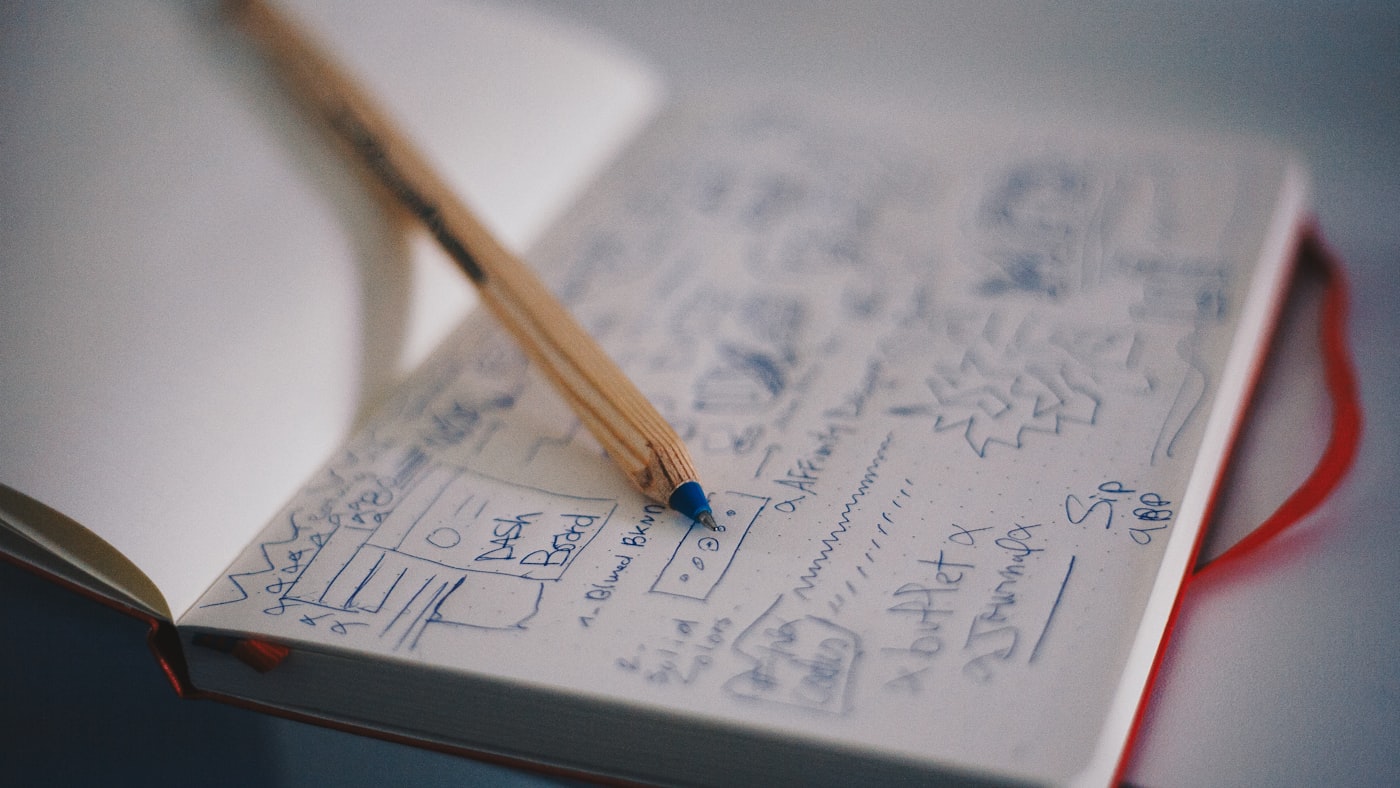 The part that didn't change: deciding what's worth making, before anything gets made. Photo by Med Badr Chemmaoui on Unsplash
This is the big one and everything else follows from it. An idea used to cost weeks to test properly, which meant you argued about it instead, which meant the loudest person in the room won a lot of arguments that should have been settled by evidence.
Now you build it and look. The cost of finding out you were wrong dropped enough that finding out is usually faster than debating. That changes how you should work, and how fast is the smaller part of it.
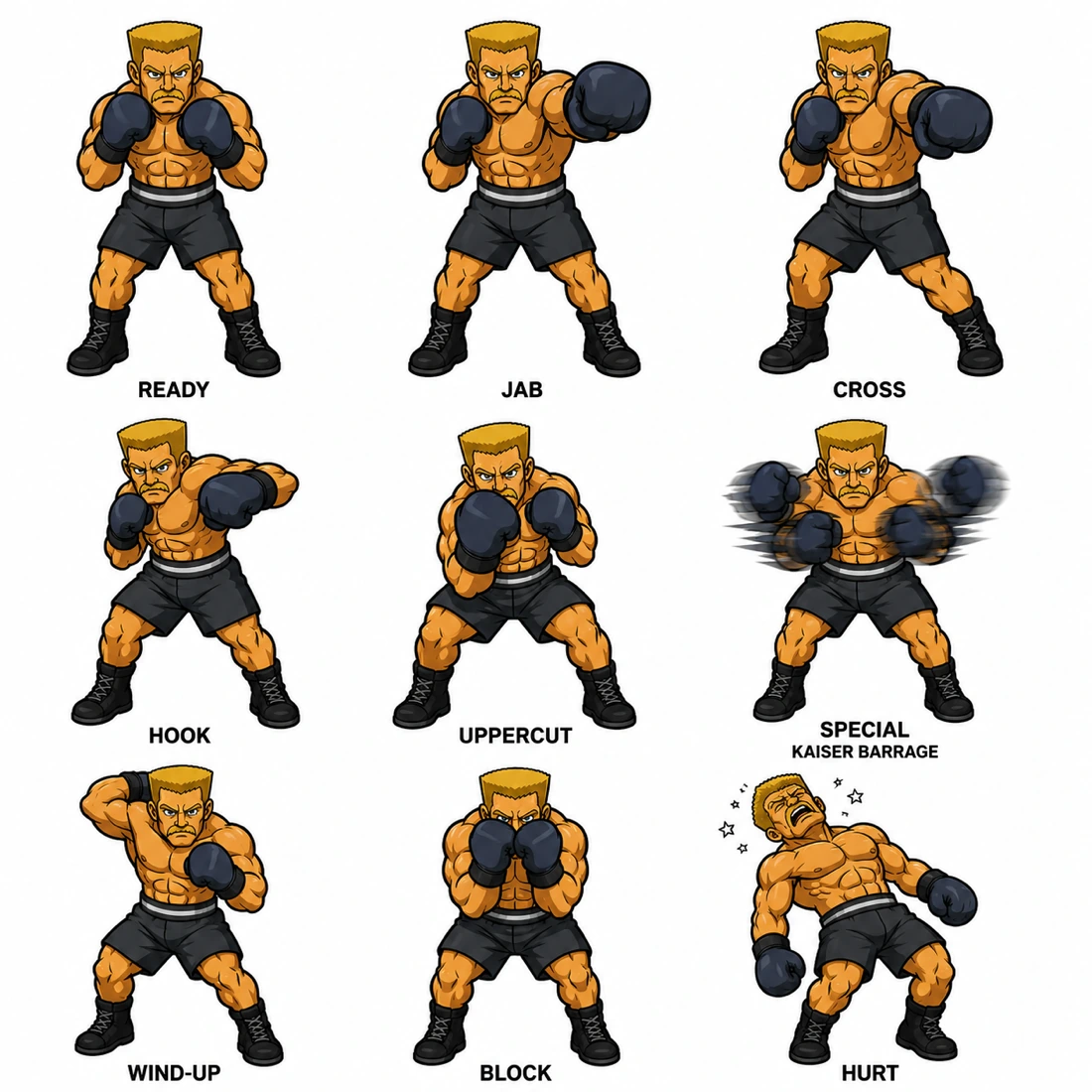 Nine poses per fighter, generated fast and then hand-tuned until a punch read as a punch. AI did the volume. The tuning was mine.
Changed: The Deliverable Is the Product
I don't make specs for other people to implement. The design ends when the thing is live. That collapses a whole category of work (annotations, handoff documents, the meetings that exist to clarify the handoff documents) and it moves the accountability with it. Nobody else touched it, so nobody else is responsible for how it came out.
Changed: You Can Follow the Tangent
Small ideas used to die on cost. A weird interaction you wanted to try, a second version of a flow just to compare: never worth a sprint, so it never got built. Now it's an afternoon. Some of my best decisions came out of tangents I'd never have been able to justify to a team.
Didn't Change: Deciding What Not to Build
A model will build anything you ask for, immediately, without asking whether it should exist. It has no stake in the product being coherent and no memory of being annoyed by clutter.
So the constraint moved. It used to be engineering capacity, which was an accidental but effective filter on bad ideas. That filter is gone. The only thing left standing between your product and a hundred features nobody wanted is your own willingness to say no, repeatedly, to work that costs almost nothing to produce.
That's harder than it sounds. Deleting something that took a week feels responsible. Deleting something that took ten minutes feels like nothing, which is exactly why it accumulates.
Didn't Change: Feel
The fighters in Ring-Rival are rigged from separate body, arm, and leg pieces specifically so a punch can be tuned rather than replayed. How long contact hangs, how much the camera moves, when control returns, all hand-tuned, by throwing punches until it stops feeling wrong.
No model can help with that. It has no body and no way to evaluate the result. Every product has a version of this somewhere, and it's usually the part people remember.
Didn't Change: Trust
CatchBuddy puts strangers in the same place to play a pickup game. HerbaLink puts people in front of practitioners whose credentials have to actually mean something. In both, the safety architecture is the product.
A model will scaffold verification tables in seconds. It cannot decide who is allowed to post, what happens when someone gets reported, or what the system should do when trust breaks down. Those are value judgments with consequences attached to real people, and they belong to a person who can be held to them.
Didn't Change: Nobody Knows Your Product Exists
The build stopped being the hard part. Distribution didn't get one bit easier. You can now produce a genuinely good product that nobody ever sees, faster than ever before.
That's the trap in the current moment, and I've walked into it. Shipping feels like progress because it used to be the scarce thing. It isn't scarce anymore.
Didn't Change: Most Products Fail on the Problem
They don't fail because the build was bad. They fail because the problem wasn't real, or was real but shaped differently than anyone assumed. AI does nothing about that. It just gets you to the point of discovering it sooner and with less money spent, which is a genuine improvement and not a solution.
The work is what it always was: figure out what's actually worth building, then build only that. The second half got dramatically easier. The first half didn't move.
The clearest example of the split is in the Ring-Rival case study.
Related UX Design Articles
The Work Is Deleting, Not Generating
AI made producing screens almost free. That moved the bottleneck from making things to deciding which ones to throw away, and no model will do that part for you.
The Demo Works. Shipping Is a Different Job.
A demo is the happy path with data you chose. Everything that made my products hard was in the part nobody demos: dates, permissions, empty screens, and the jobs that run while you sleep.
What One Person Can Actually Ship Now
I have four products live that I built by myself. The useful version of that story is the one that includes where solo stops working, which is not where people expect.