
What One Person Can Actually Ship Now
I have four products live that I built by myself. The useful version of that story is the one that includes where solo stops working, which is not where people expect.
I have four products live that I designed and built by myself. No engineering team, no contractor, no cofounder. That sentence would have been a lie a few years ago, and I want to be precise about what it means now, because the honest version is the one you can act on.
One person can ship real software. One person still cannot ship a real company. Most of the excitement about this moment lives in the gap between those two sentences.
What Fits Inside One Head Now

Stips is a play-money prediction market with accounts, a database enforcing row-level security, market resolution, and a scheduled job that reads the news and writes new markets without me touching it. That is not a landing page with a waitlist attached. It is a running system with state, permissions, and a job that keeps going while I sleep.
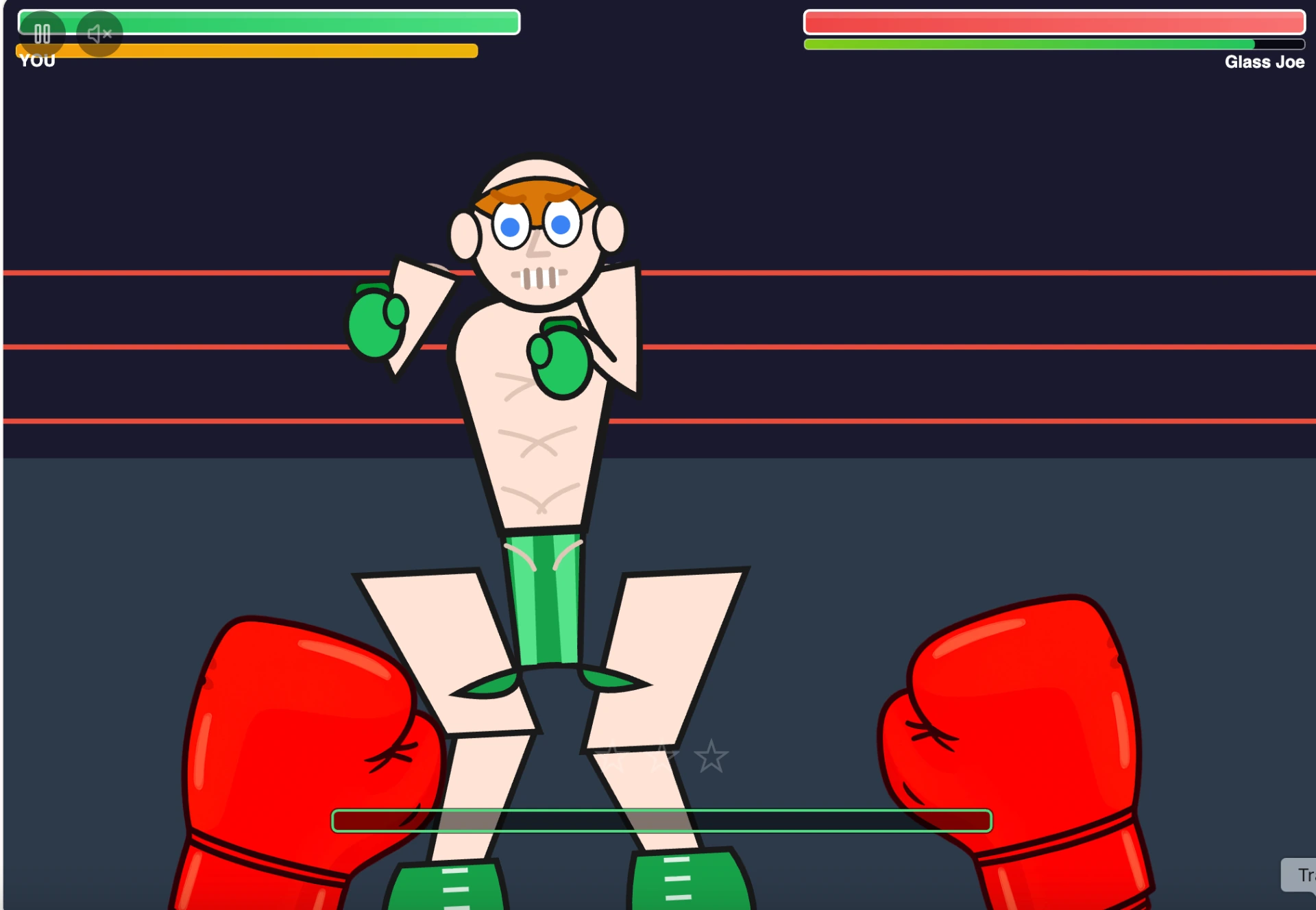
Ring-Rival is a browser boxing game whose fighters are rigged from separate body, arm, and leg pieces so a punch can be tuned by hand instead of played back. CatchBuddy organizes same-day pickup sports between strangers, with the safety architecture designed before the matching was. Recast is a screen recorder that ships as a Mac app, an Android app and a website, so a recording made on one becomes a link the other two can serve.
Four different shapes of product. Different data models, different users, different ways of failing. All built by one person around a full workload. Not long ago each of those is a team and a quarter.
The Cheap Part Was Not the Part I Expected
Typing got cheap. That is the change. It is smaller than it sounds.
What stayed expensive is knowing whether what you just generated is correct. The two worst bugs I have shipped on Stips were both written by a model, both looked completely right, and both were invisible to the thing that wrote them. Close dates that were already expired, because a language model has no clock. A whole category of permission bugs I could not see because I was testing signed out, and row-level security answers an unauthorized read with an empty list rather than an error.
Writing the market generator took an afternoon. Trusting it took another week, and that week was me building the checks that would tell me when it was wrong. That ratio is the real shape of solo work now. Less typing, the same amount of judgment, packed into fewer decisions that each carry more weight.
Where Solo Actually Stops
Four walls, in the order I hit them.
- Distribution. Building got faster. Getting a stranger to open the thing costs exactly what it always did.
- Institutional designing trust into AI . Enterprises buy from organizations they can hold responsible, and a repository is not one.
- Operations. Anything with real-world risk needs a human on a rotation, which is headcount rather than code.
- Nobody checking your work. The missing colleague is the most expensive part of building alone.
Distribution did not move an inch. Building got dramatically faster and getting a stranger to open the thing costs exactly what it always did. I can ship a working product over a weekend and then spend three months failing to get anyone to use it. That is a worse story and it is the true one.
Institutional trust does not come in a repository. The investor loan platform I worked on replaced Excel as the system of record for multi-million-dollar deals after three previous attempts had failed. What finally made it stick was putting the audit trail next to the record, which turned compliance from the group blocking adoption into the group arguing for it. That is months of sitting with people who are not going to hand a solo builder the keys to their loan book, however good the demo looks.
Operations are staffing. CatchBuddy is strangers meeting up to play sports. Verification, curated meeting spots, and a panic button are design problems, and I solved them. Answering that panic button at nine at night is a headcount problem, and there is no model for it. Anything with real-world risk eventually needs a human on a rotation.
And nobody is checking your work. I found the signed-out testing blind spot myself, late, because there was no second person in the room to ask whether I had tried it logged in. The missing colleague is the most expensive part of building alone and the part nobody puts in the thread.
What Solo Is Genuinely Better At
Acting on a conviction before you can prove it. Inside a company, an unproven opinion needs a deck, a stakeholder, and a slot. Alone it needs a weekend.
Ring-Rival went from twenty-two seconds to first punch down to six because I deleted the splash screen, the mode select, and the tutorial. Every one of those was a correct answer to a reasonable request, and defending their removal in a room would have taken longer than building the game. I just cut them and watched what happened.
That is the loop solo is built for. Ship it, watch one real person use it, delete what they ignored, do it again. AI compressed the build step hard enough that the loop is now cheap to run, which is the best thing about the current moment.
The Honest Summary
One person can now build a product that works, holds real data, handles permissions, and does not fall over. That is new and it is not a small thing.
One person still cannot manufacture demand, absorb an enterprise sales cycle, staff a support rotation, or catch their own blind spots. None of those were ever engineering problems, which is exactly why an engineering breakthrough did nothing to them.
So the question is not whether you can build it alone. You probably can. The question is which of those four walls your idea reaches first, and whether your answer to that is something other than figuring it out later. Four products in, I am still working on mine.
Related AI Design Posts
The Work Is Deleting, Not Generating
AI made producing screens almost free. That moved the bottleneck from making things to deciding which ones to throw away, and no model will do that part for you.
A To-Do App Doesn't Prove Anything
Most “I built this with AI” portfolios pick something safe. Safe projects hide the only question worth answering: can you ship something that has to feel right?

The Demo Works. Shipping Is a Different Job.
A demo is the happy path with data you chose. Everything that made my products hard was in the part nobody demos: dates, permissions, empty screens, and the jobs that run while you sleep.