The Work Is Deleting, Not Generating
AI made producing screens almost free. That moved the bottleneck from making things to deciding which ones to throw away, and no model will do that part for you.
Generating things is no longer the hard part. Describe a screen and you get a screen. Describe a feature and you get a feature. The constraint that shaped design work for twenty years, that making things was slow and expensive, is largely gone.
What replaced it's worse to sit with, because it doesn't look like work. The bottleneck now is judgement: deciding which of the things you can have, you should actually keep.
Twenty-Two Seconds of Nothing
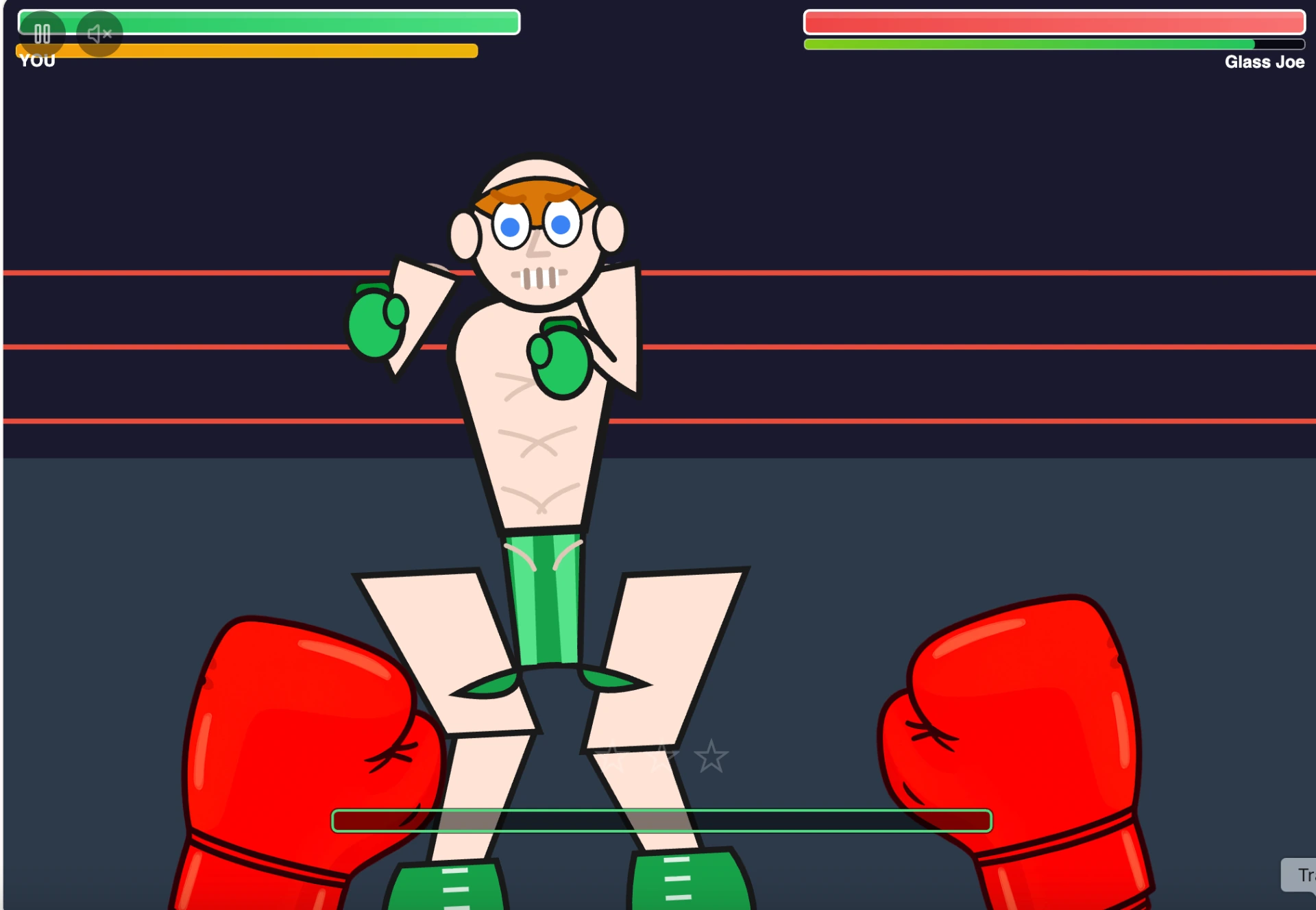
I built a boxing game for the mobile web. The first version opened with a splash screen, then a mode select, then a fighter select, then a tutorial. Every one of those was reasonable. Every one existed in games I had played.
It took twenty-two seconds from tapping the link to throwing a punch. On a phone, from a link someone sent you, twenty-two seconds is an eternity. People were leaving before the game started.
I deleted all four screens. Time to first punch went to six seconds. Nothing was added. The game got better by having less of itself in the way.
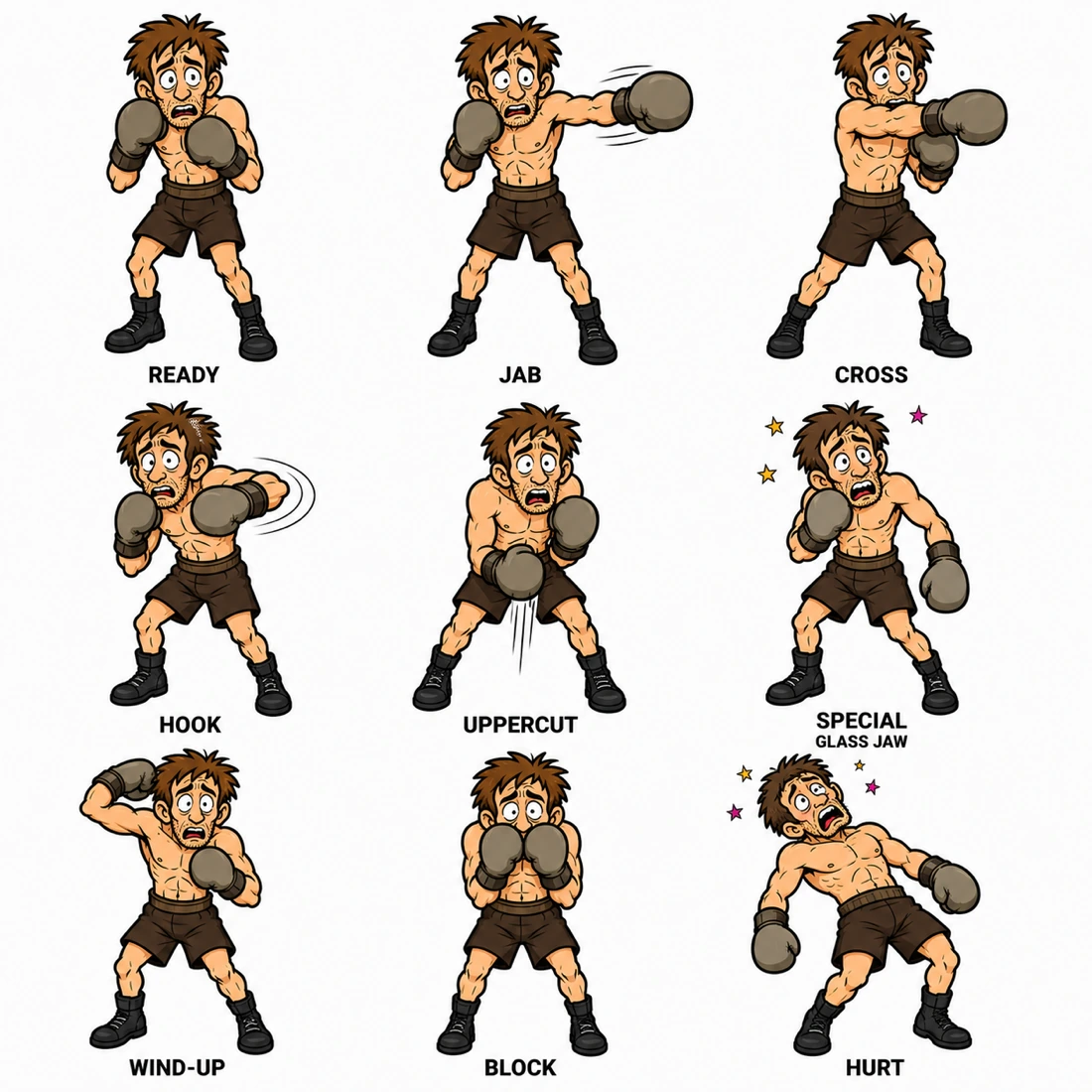 One sheet per fighter, every frame in a fixed grid. Generating these was the cheap part. Deciding which frames survived took weeks.
The Model Will Happily Build All Four
Here's the part that actually matters now. If I had asked for a splash screen, a mode select, a fighter select and a tutorial, I would have got all four, quickly, and they would have been fine. The model has no opinion about whether they should exist.
It can't tell you that a fighter select is dead weight when there are three fighters and the first one is the obvious choice. It can't tell you that a tutorial is an admission the controls aren't obvious. Those are judgements about a specific product for specific people, and they only come from watching someone use the thing.
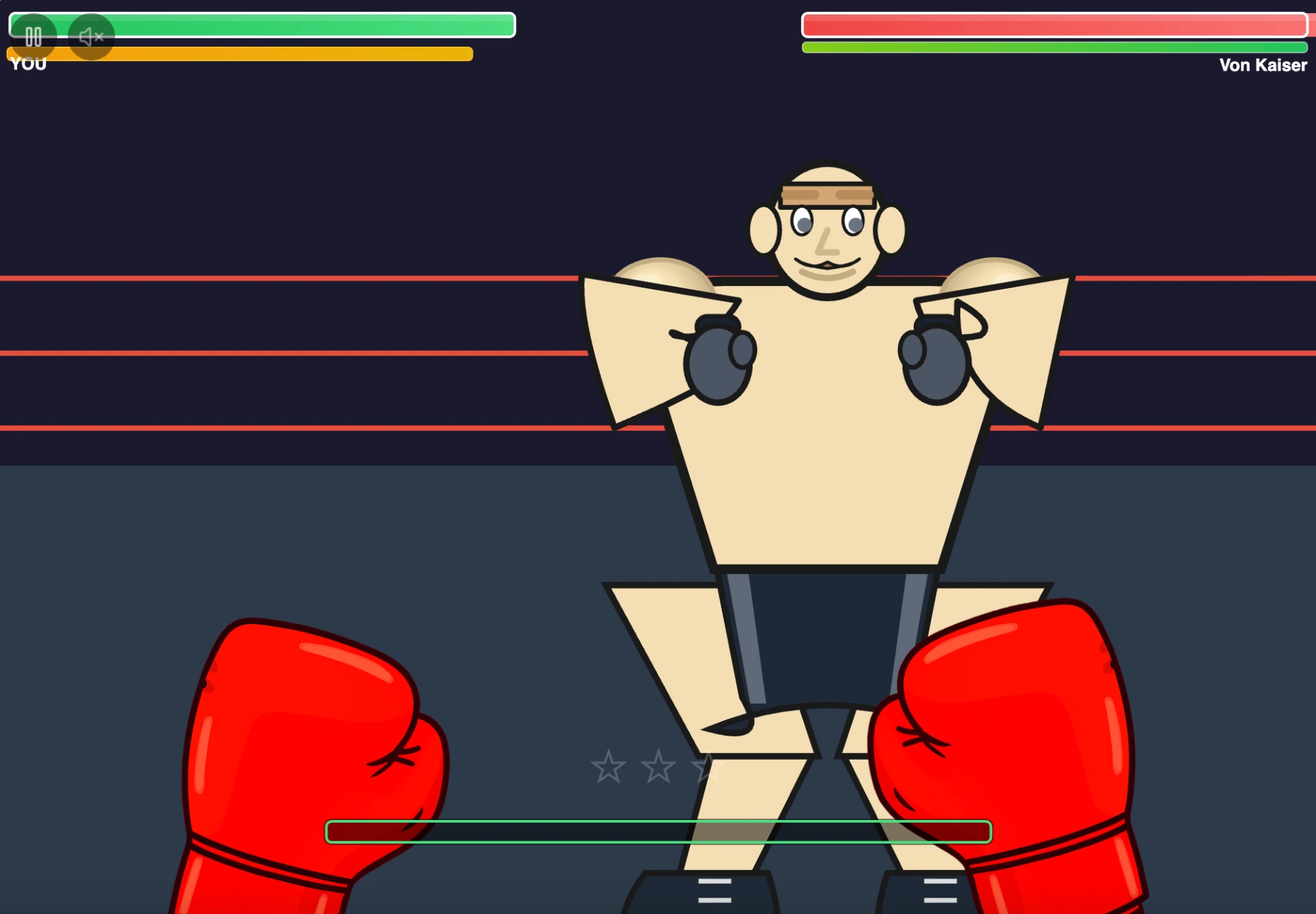 Von Kaiser on the same rig at heavier proportions. Once a second fighter held, fighters could be data instead of drawings.
Cheap Generation Makes Deleting Harder
There is a trap in this. When something took two days to build, cutting it was easy, because you could see the cost of keeping it. When it took ninety seconds, it feels free to leave in. It's not free. The user pays for it in attention every single time.
So the discipline I've ended up with is the opposite of what the tools encourage. Generate freely, because it costs nothing. Then be ruthless, because the thing that costs is the shipped surface area, and that hasn't got cheaper at all.
The full build, sprite pipeline and opponent behaviour and the parts AI-enhanced UX design genuinely couldn't do, is in the Ring-Rival what a portfolio proves now .
Related UX Design Articles
The Demo Works. Shipping Is a Different Job.
A demo is the happy path with data you chose. Everything that made my products hard was in the part nobody demos: dates, permissions, empty screens, and the jobs that run while you sleep.
When Trust Is the Product, It Can't Be a Feature
Getting two strangers to agree to meet at a park is easy. Getting them to feel fine about it's the entire product, and it's not something you bolt on near the end.
If You Make People Do Maths, They Guess or They Leave
A price of 67¢ tells you the odds are 67%. Almost nobody works that out in their head, and the ones who try get it wrong. Do the arithmetic for them.