Everyone's Portfolio Looks Good Now
Polish stopped being a signal the moment it became free. What's left is the stuff a model can't produce for you: constraints, deletions, and decisions you can defend.
Portfolios used to sort themselves. The typography was right or it wasn't. The case study read well or it read like a template. You could tell a lot in ten seconds and you were usually correct.
That's gone. Everything is well-typeset now. Every case study has a clean narrative arc and a confident opening line. The floor came up, which sounds like good news and mostly isn't, because a signal everyone can produce isn't a signal.
Polish Is Table Stakes, Not Evidence

Being well-presented no longer earns you anything. It just avoids losing you something. Budget for it accordingly: get it clean, then stop, because additional polish past that point buys nothing and eats the time you should be spending on substance.
Put the Live URL First
A working product someone can open is the single hardest thing to fake, and it's still rare. Ring-Rival, Stips, HerbaLink, CatchBuddy are all live. Anyone can go use them, find the rough edges, and form their own opinion.
That's uncomfortable, and it should be. A case study is a story you control. A live product is a claim anybody can check. The discomfort is exactly what makes it credible.
Screens of something that never shipped read as speculation now, no matter how good they look.
Write the Deletions Down
Every case study on my site says what got cut. On Ring-Rival, that was the entire pre-fight flow: splash, mode select, fighter select, tutorial. Twenty-two seconds to first punch became six.
The number is useful, but it isn't the point. The point is that removing four screens was a decision with an argument behind it, and I can walk you through the argument. A model will happily generate all four of those screens back for me. It won't tell me to delete them.
Deletions are the cheapest way to prove you have judgment, and hardly anybody writes them down.
One Real Number, Defended
Not a dashboard of metrics. One number you can explain: how you measured it, what it was before, what you changed, and why you believe the change caused it.
Ring-Rival's audio failed in around forty percent of sessions until I gated the AudioContext behind the first tap. Under two percent now. I know why it was broken, I know why the fix works, and I can tell you how I noticed, which is that nothing errored and I only caught it by opening the game on unfamiliar devices.
An unglamorous number you fully understand beats an impressive one you can't source. Interviewers ask a second question, and the second question is where invented numbers die.
Cut the Process Theater
Affinity maps. Persona cards. Journey maps with emoji sentiment tracks. Every portfolio has them and they've all looked the same for a decade, which was already true before AI could generate them in bulk.
They're artifacts of a process. Nobody reading your site is trying to verify that you know what a persona is. They're trying to find out whether you can reason about a specific problem under specific constraints, and a journey map doesn't answer that in either direction.
If a research artifact changed what you built, show the change and skip the artifact. If it didn't change what you built, it doesn't belong on the page at all.
The Structure I Use
Every case study I write follows the same shape: the problem, what I built, the parts AI couldn't do for me, what got cut and why, and the outcome measured honestly. If a section doesn't fit one of those, it doesn't go in.
The third one is the differentiator right now. Naming what you had to do by hand, the game feel, the designing trust into AI rules, the state you only discovered by building it, tells a reader exactly where your judgment ends and your tooling begins. That's the thing they're actually trying to figure out.
Assume They'll Ask
Every claim on your site is now a question in an interview. If AI wrote a section you can't defend line by line, cut it. Getting caught not knowing your own case study is worse than having a shorter one.
Three projects you can defend completely beats eight that look impressive from a distance. That was always true. It's just enforceable now.
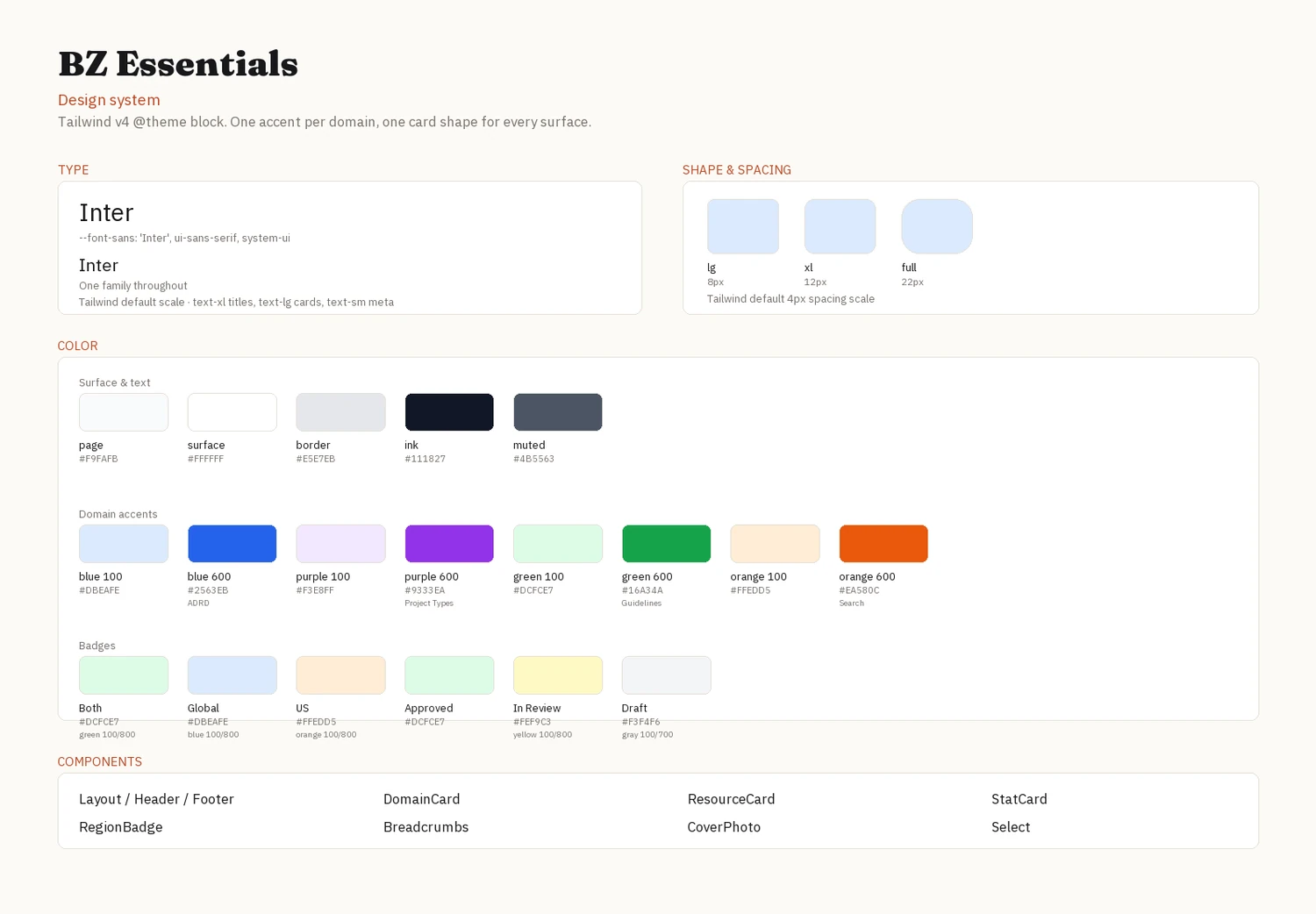
The decisions behind one of these, documented from the code, are in the BZ Essentials case study.
Related AI Design Posts

How to Interview a Designer Now
Every portfolio is polished and every candidate has a shipped demo. What I would ask to find out whether there is judgment behind the artifacts.

The Designer Who Codes Argument Is Over
Not because everyone won the debate, but because the gap between a design and a running product collapsed. Here's what that changes in practice.

Shipping Got Cheap. Hiring Got Harder.
A working demo used to be evidence. Now anyone can produce one in a weekend, and the design job market is still figuring out what to screen for instead.