
Shipping Got Cheap. Hiring Got Harder.
A working demo used to be evidence. Now anyone can produce one in a weekend, and the design job market is still figuring out what to screen for instead.
A working AI-powered prototyping in a weekend used to mean something. It meant somebody had the skill to build it and cared enough to finish it. Both of those inferences were reliable for a long time. Neither is reliable now.
That's the actual disruption in design hiring. Not that AI took the jobs. That the signals hiring managers used to sort candidates stopped carrying information.
The Demo Is No Longer the Proof

I can build a polished, functional product in a weekend. So can a designer two years into their career. The artifact looks roughly the same either way, and it looks good, which is the problem. A good-looking artifact no longer separates anybody from anybody.
What still separates people is what happened after the demo. Did anyone use it. What broke. What got cut and on what basis. Whether the person can explain a decision they made that turned out to be wrong.
Those questions survive because you can only answer them by having lived through it.
The Junior Pipeline Has a Real Problem
The tasks juniors used to learning AI design with Claude on are the tasks AI does best. Building out the rest of the screens once the pattern is set. Producing variations. Cleaning up a component library. Writing the first draft of anything.
That work was never valuable in itself. It was valuable because doing it a hundred times is how judgment got built. Remove the reps and you have people who can direct a model competently and have no accumulated sense of when the model is wrong.
I don't have a clean answer for this and I'm suspicious of people who claim they do. What I'd tell someone starting now: build and ship your own things, publicly, on your own time. Not portfolio exercises. Real products with real users, even three of them. That's the only reliable way left to get reps that count.
What I'd Screen For
If I were hiring designers today, I'd spend the whole interview on one project they actually shipped, and I'd push on:
- What they removed, and what argument they had to win to remove it.
- A moment they were wrong, how they found out, and what they changed.
- Something they had to build or tune by hand because generating it produced something subtly bad.
- What they'd do differently with another month, stated specifically.
Anyone can narrate a process. Almost nobody can narrate a reversal they made under pressure unless it happened to them.
The Take-Home Test Is Dead
Any exercise a candidate completes alone, unobserved, over a weekend now tells you nothing. It never told you much. It tells you nothing at all today, and it still costs the candidate a weekend, which is the worst possible trade.
The replacement isn't a harder exercise. It's a conversation about work that already exists. Open the product they built. Use it in front of them. Ask why the second screen looks the way it does. Ask what they tried first. Someone who did the work answers instantly and in detail, because they lived through the alternatives. Someone who didn't runs out of specifics in about ninety seconds.
Portfolio presentations have the same problem for the same reason. A narrated deck is rehearsed. A product being poked at live isn't.
The Roles Are Consolidating
The clean separation between designer, front-end engineer, and product manager is dissolving in small teams, and small teams are doing more than they used to. I've watched job descriptions quietly absorb responsibilities that used to belong to three people.
That's harder on candidates and better for the work. Products get worse every time intent crosses a boundary. Fewer boundaries, fewer translation losses.
It also means the safest position isn't specialization anymore. It's being the person who can carry something from idea to live and be accountable for how it turned out.
If You're Looking Right Now
Stop optimizing the artifact. It's already at parity with everyone else's. Put a live URL on your site, be specific about what you cut and why, and go into every conversation able to defend one number you moved and one call you got wrong.
The market is harder. It's not closed. It's just stopped rewarding the things it used to reward automatically.
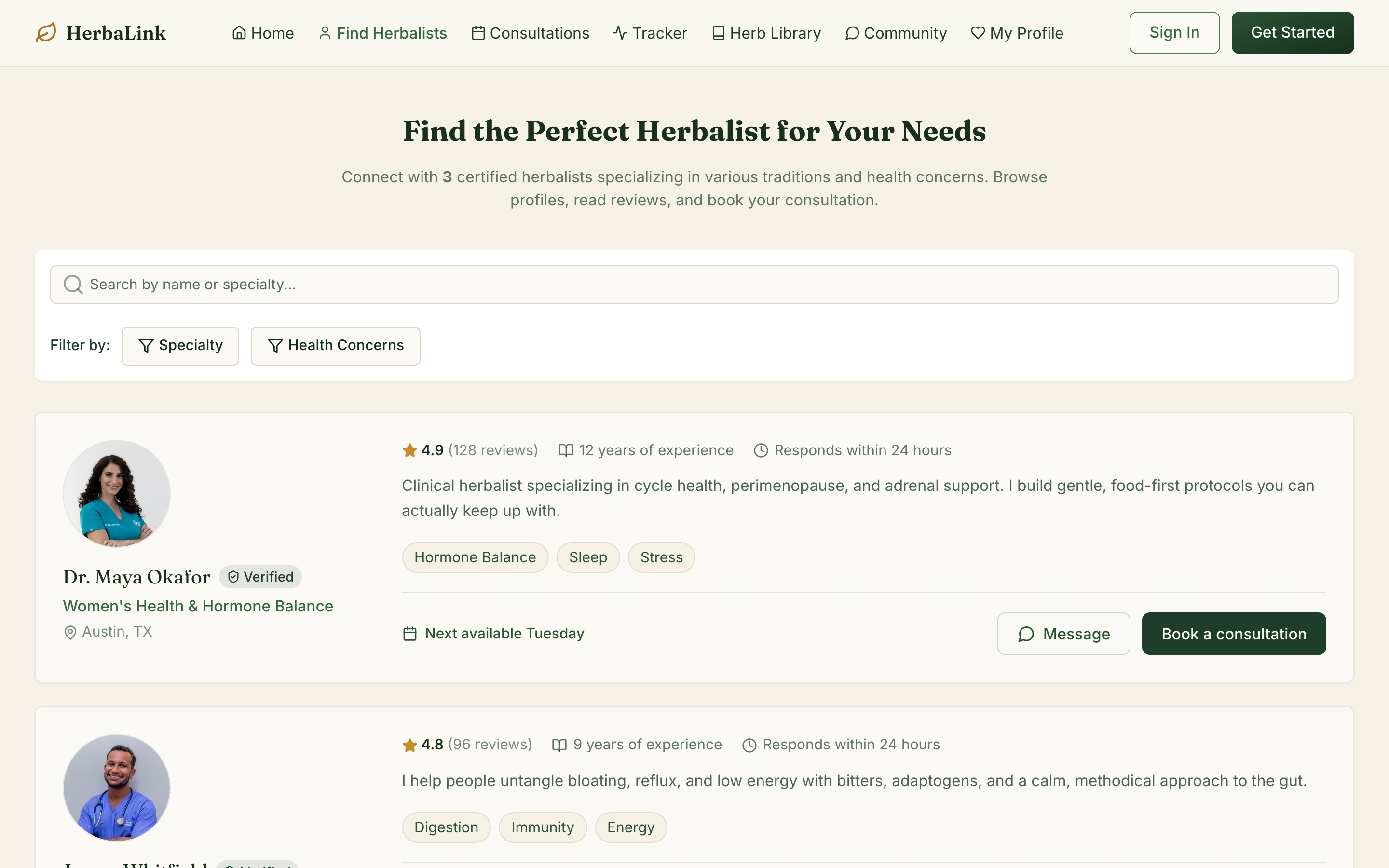
For a worked example, including one that did not find its audience, see the HerbaLink case study.
Related AI Design Posts

How to Interview a Designer Now
Every portfolio is polished and every candidate has a shipped demo. What I would ask to find out whether there is judgment behind the artifacts.
The Designer Who Codes Argument Is Over
Not because everyone won the debate, but because the gap between a design and a running product collapsed. Here's what that changes in practice.
Everyone's Portfolio Looks Good Now
Polish stopped being a signal the moment it became free. What's left is the stuff a model can't produce for you: constraints, deletions, and decisions you can defend.