Pharma · Gen AI · Workflow design
ManuscriptRx: Designing an AI-Assisted Email Creation Workflow for Pharma
A self-initiated concept project — a 6-step AI-assisted workflow that replaces the broken handoffs in pharma HCP email production with one platform built around real roles and approval gates.
- Workflow steps
- 6
- Roles designed for
- 4

Overview Section
Research Section
Gathering insights
Understanding real user needs.
We explored how professionals currently create emails, where they get stuck, and what would make the process faster, easier, and more effective.
Emerging themes
Image Failed to Load
This image is currently unavailable
My Thought Process Section
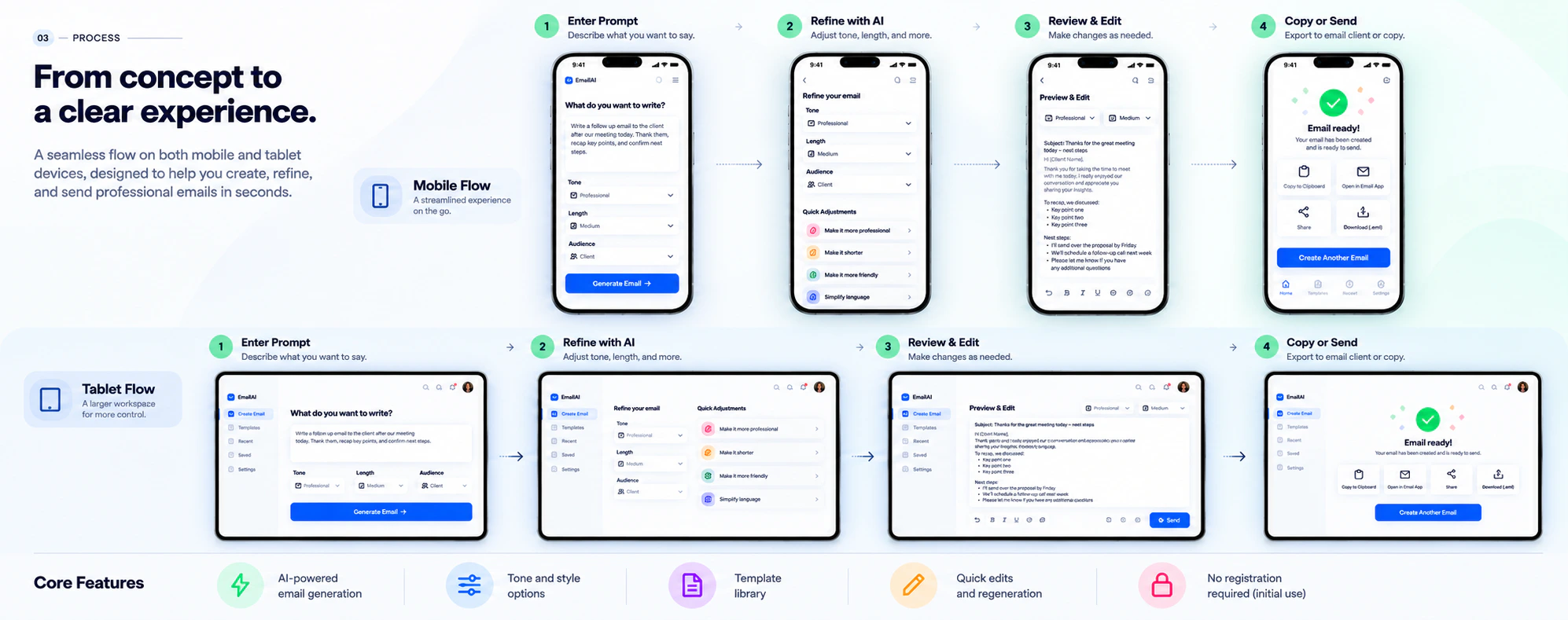
From concept to a clear experience
We defined the user flow, core features, and interaction model to create a simple, powerful experience that works for a wide range of users.
Image Failed to Load
This image is currently unavailable
Ideation Section
Multiple iterations
Exploring ideas and possibilities. We brainstormed different ways AI could help users create better emails, from quick actions to full conversational experiences.
Image Failed to Load
This image is currently unavailable
Design Iterations Section
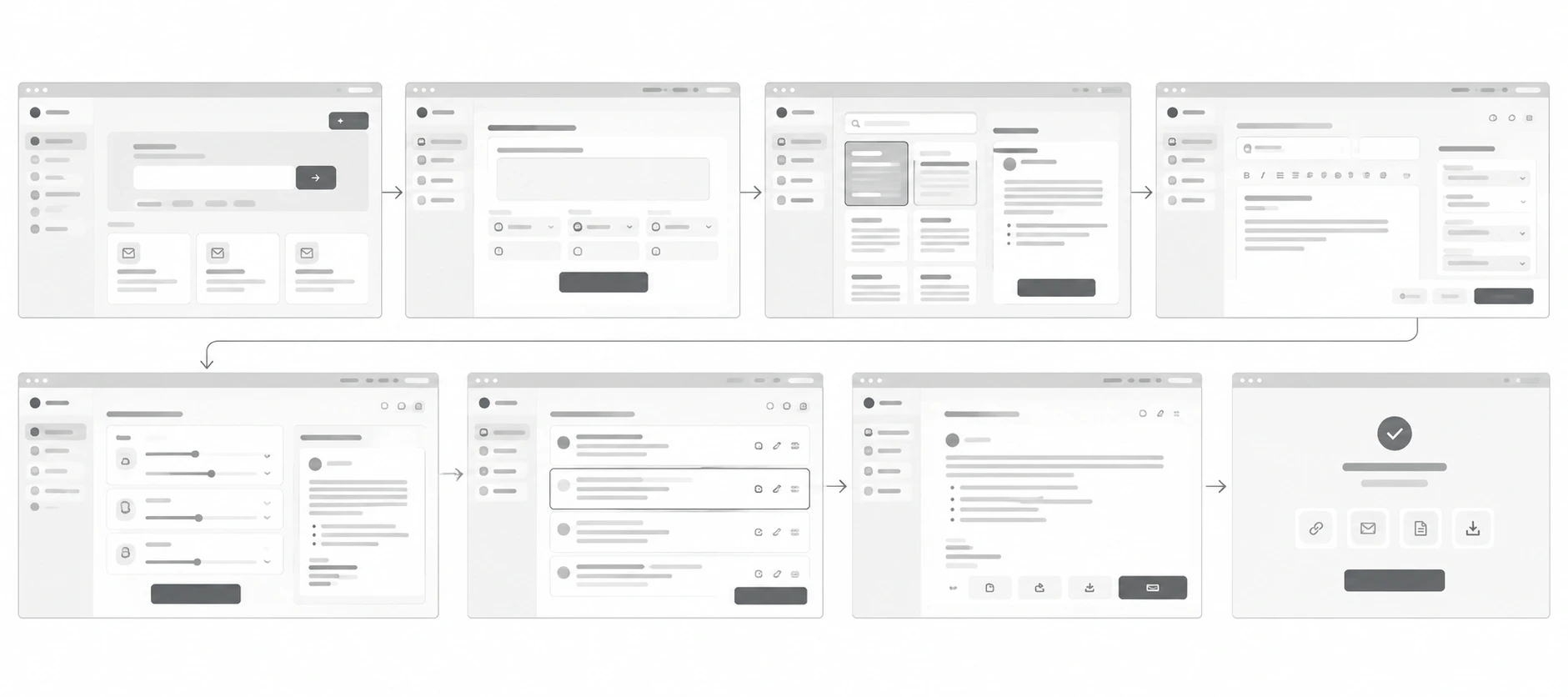
What Didn't Work Section
Step 6 — the MLR review experience
I designed the AI outputs (RV PDF, annotations panel, based-on declaration) but not the review experience itself — how MLR reviewers annotate, reject, and approve claims with legal accountability. That's the hardest part of pharma email and would need direct research with MLR and legal.
A clean, modern and intuitive interface Section
A clean, modern and intuitive interface
The final design delivers a seamless, end-to-end experience for creating, refining, and sending high-quality emails with AI. The interface is clean, focused, and easy to use, with helpful templates, tone options, and real-time preview.
Image Failed to Load
This image is currently unavailable
A complete, polished experience Section
A complete, polished experience
The final design delivers a seamless, end-to-end experience for creating, refining, and sending high-quality emails with AI.
Pharma email production fails at the handoffs, not the writing Section
Pharma email production fails at the handoffs, not the writing
The temptation is to add AI everywhere and call it smart. The real question is simpler: how do we make sure the right person is looking at the right thing at the right time — and the AI handles everything in between? That framing drove every screen.
More Work Section
More Work
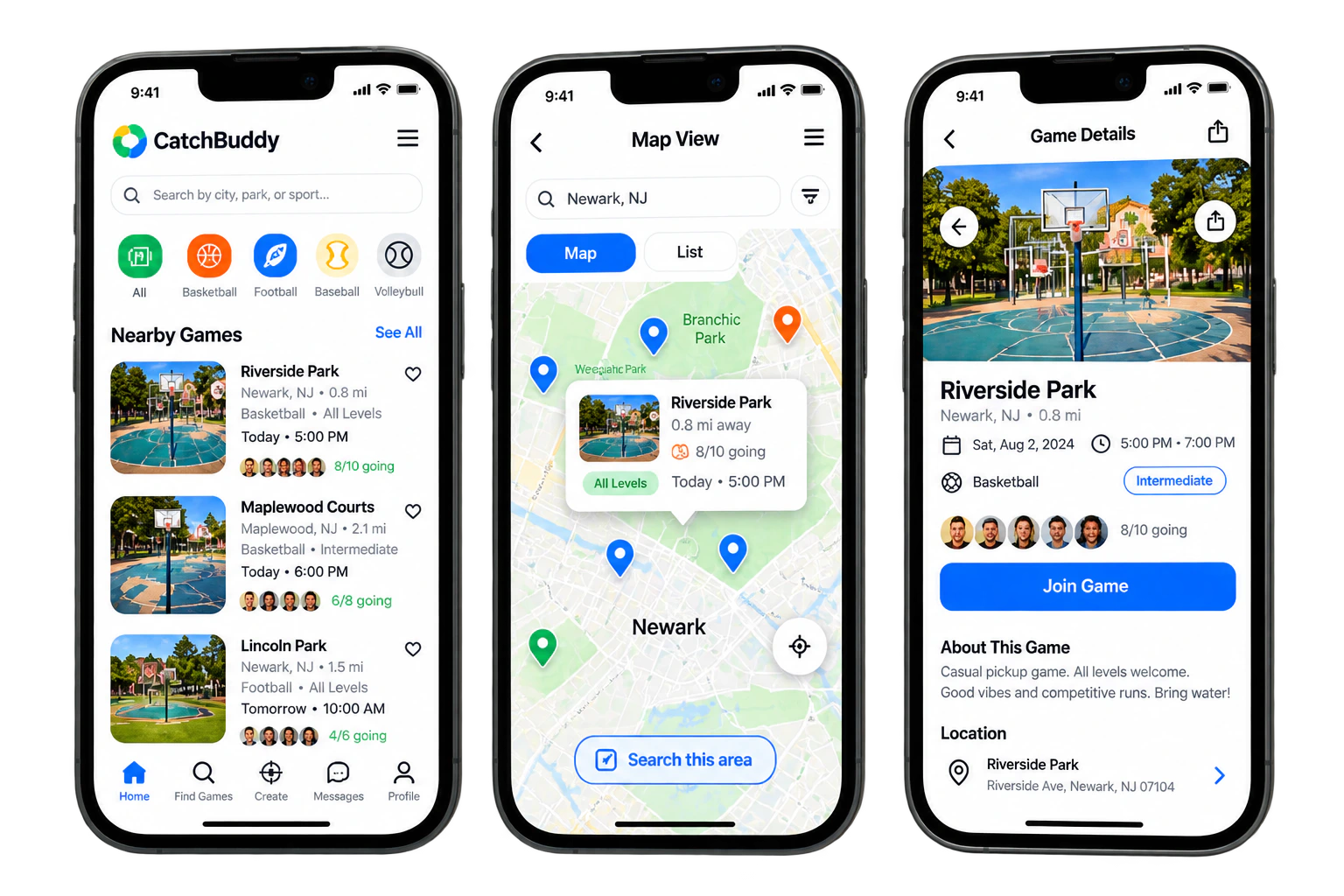
CatchBuddy: Trust Is the Product, Not a Settings Page
The easy part is getting two strangers to agree to meet in a park; the difficult part is getting them to feel safe while doing so. Pickup apps assume you want a season. Most people just want a game on Saturday.
Contact Section
Get in Touch
Tell me what you're working on and where it's stuck. Short messages are fine.