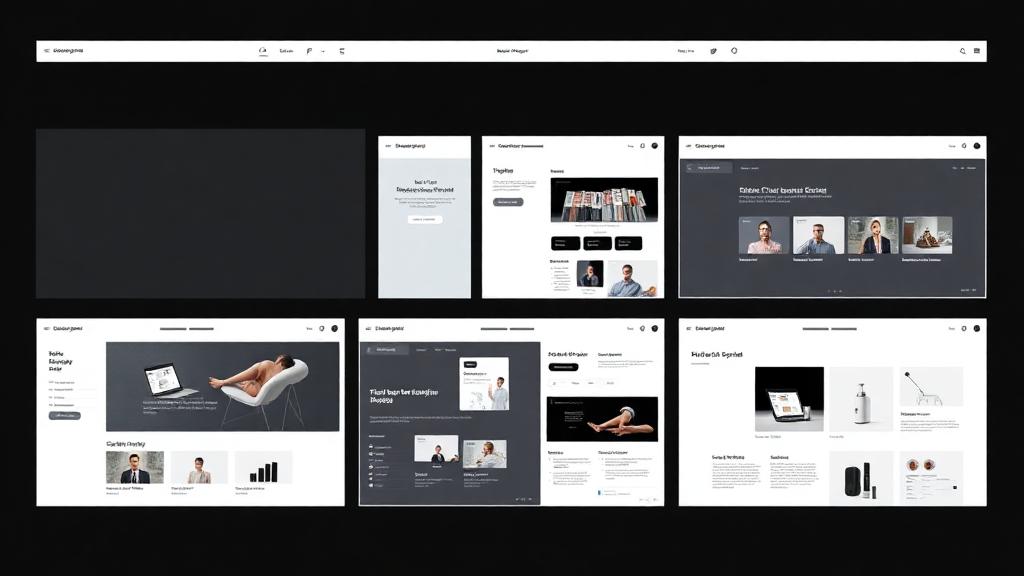
Case Studies That Win Clients – Beyond Pretty Screens
Why design case studies should focus on problems, impact, and thought process — not wireframe montages.
Your portfolio optimization is getting views but no UX job search strategies . Sound familiar? After reviewing hundreds of UX portfolios, I've identified the red flags that make hiring managers hit the back button.
Red Flag #1: The Case Study Novel
Nobody has time to read your 47-slide case study. If you can't explain your process in 8-10 slides, you don't understand it well enough. Focus on the most critical decisions and their impact.
Red Flag #2: All Process, No Outcome
"I conducted user interviews, created personas, mapped user journeys..." Great, but what happened? Did conversions improve? Did user satisfaction increase? Did the business metrics move? Show the impact, not just the activity.
Red Flag #3: The Dribbble Syndrome
Pretty pixels don't prove UX skills. If your portfolio looks like a collection of beautiful screens with no context, you're showcasing visual design, not user experience design.
Red Flag #4: Fake Projects Only
Redesigning Instagram for your portfolio is fine for learning, but it shouldn't be your only work. Real projects with real constraints show how you handle the messiness of actual product development.
Red Flag #5: No Problem Definition
Starting with "The client wanted a mobile app" isn't a problem statement. What user need were you solving? What business goal were you supporting? Why was this project worth doing?
Red Flag #6: Missing Your Role
"We did cost-effective user research methods , we created wireframes..." Who is "we"? What specifically did YOU do? Hiring managers need to understand your individual contributions.
Red Flag #7: The Perfect Process Myth
Real UX work is messy. Budgets get cut, timelines compress, stakeholders change their minds. Show how you adapted when things didn't go according to plan.
Red Flag #8: No Failure Stories
If everything in your portfolio was a massive success, you're either lying or not taking enough risks. Include a project that didn't go perfectly and what you learned.
The Fix: The STAR Method
Structure each case study using:
- Situation: What was the context and constraints?
- Task: What specific problem were you solving?
- Action: What did you do (specifically you, not your team)?
- Result: What was the measurable impact?
Your portfolio should tell the story of how you think, not just what you can make pretty.
Related UX Design Articles
Finding a UX Job in 2025 – What Works (and What Doesn't)
Lessons from breaking into UX in a crowded market — mistakes, pivots, and strategies that actually work today.
Everyone's Portfolio Looks Good Now
Polish stopped being a signal the moment it became free. What's left is the stuff a model can't produce for you: constraints, deletions, and decisions you can defend.
How AI Is Changing UX Design – A Designer's Perspective
Practical insights on where AI helps and where it confuses users — and how to design with trust in mind.