
When Generating Is Free, Taste Is the Whole Job
Producing options was never the bottleneck. Ring-Rival got good because I deleted things a model would have been happy to keep building.
Generating a screen is free now. Generating fifty is nearly free. That changed less about design than people expected, because producing options was never the expensive part.
The expensive part is knowing which one is right, and being willing to throw away the other forty-nine.
Twenty-Two Seconds to Six

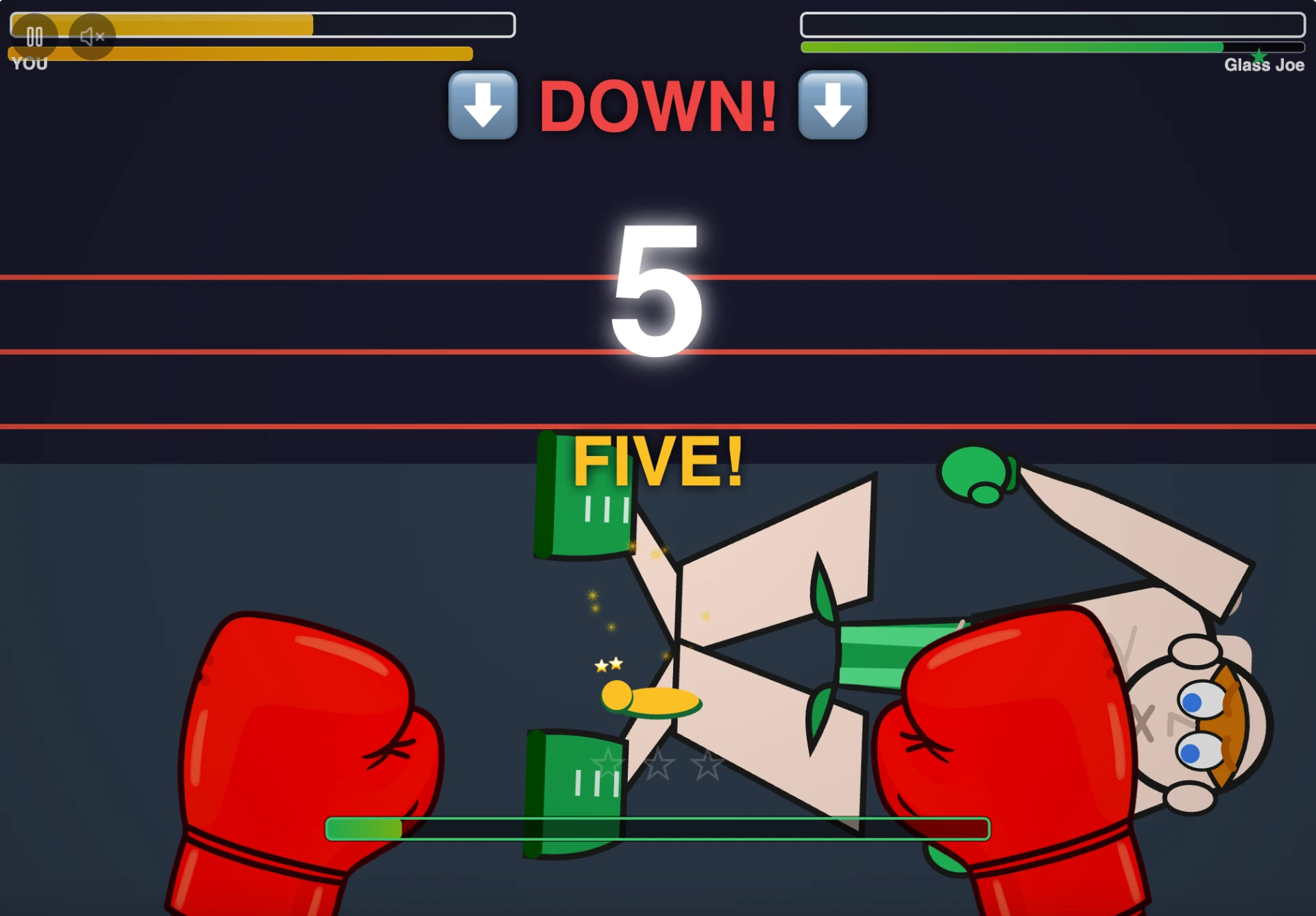
Ring-Rival is a browser boxing game I designed and built. The first version had a splash screen, a mode select, a fighter select, and a tutorial. Twenty-two seconds from tapping the link to throwing your first punch.
It's six seconds now. I got there by deleting. The menus went. The tutorial went. You land on the page, you're already in a fight, and you learning AI design with Claude the controls by hitting someone with them.
No model would have proposed that, and I don't blame it. Every screen I cut was a correct answer to a reasonable request. Mode select is standard. Onboarding is standard. What made them wrong was specific to this one product: it's a browser game somebody opens from a link with maybe fifteen seconds of curiosity attached. Every screen before the punch spends that budget on something that isn't the punch.
Taste is knowing which good practice doesn't apply here.
The Bug Nobody Would Have Reported
Around forty percent of Ring-Rival sessions had no sound. Browsers block audio until the user does something, and the game was trying to start its AudioContext on load. It's under two percent now, because audio initialization waits for the first tap.
The fix is a known thing. Any model will tell you about the autoplay policy if you ask. The part that was mine was noticing.
Nothing errored. The game ran. Players weren't going to file a bug report about a silent boxing game. They were going to leave, and I'd have read that as the game not being fun. I found it because I have a habit of opening my own products on devices I haven't used before and paying attention to the first five seconds. That's not a skill anybody teaches. It's a habit, and habits are most of what taste is.
Feel Is Hand-Tuned or It's Nothing
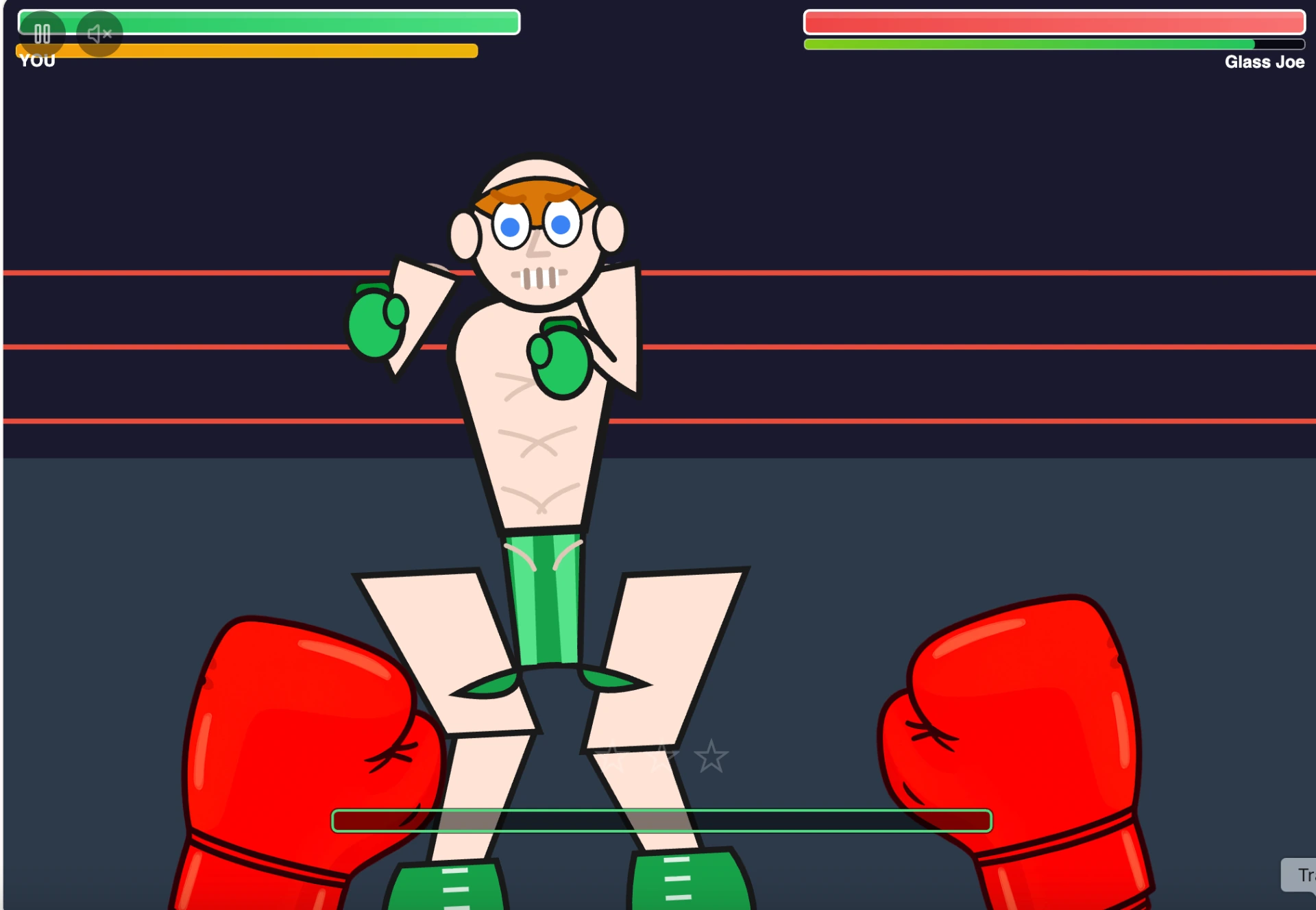
The fighters in Ring-Rival are rigged from separate pieces, body and arms and legs, so a punch can be tuned rather than played back. That was a deliberate choice, and it cost more up front than dropping in a canned animation would have.
It's worth it because a punch lands or it doesn't, and the difference is in milliseconds you can only find by feel. How long the frame hangs on contact. How far the camera moves. How quickly control comes back. There's no correct value to look up. You change it, you throw a hundred punches, you change it again.
A model has no body. It doesn't know what satisfying feels like in your hand, and it can't tell you when you've overshot. That entire category of work is untouched.
Fifty Options Is Worse Than Five
There's a version of using AI where you generate variations until something feels right. It doesn't work, and it took me a while to admit that.
Past a handful of options, you stop evaluating and start comparing. Comparing is a different mental operation. You end up picking the one that stands out against the others instead of the one that's correct for the product, and the two are frequently not the same thing. The forty-ninth variation always looks fresher than the third, because you've been staring at the third longer.
What works better is deciding what the screen has to do before generating anything, then producing three attempts at that and judging each one against the requirement rather than against the other two. Slower to set up. Much faster to finish, because you're not relitigating the decision every time a new option appears.
Taste Isn't Aesthetics
People hear taste and think visual polish. It isn't that, or at least that's the smallest part of it. Taste is a set of held opinions about what matters in a specific product, applied consistently, including when applying them costs you work you already did.
It shows up as deletion more than creation. It shows up as noticing something is wrong before anyone complains. It shows up as being able to say why the obvious solution is wrong here without falling back on a rule you read somewhere.
That's the part that didn't get automated, and it's the part that's hardest to fake, because it only develops one way.
How You Actually Get It
Ship something. Watch a real person use it. Cut what they ignored. Repeat until your instinct about what to cut starts being right before you test it.
There's no faster path. AI compressed the build step so hard that this loop is now cheap to run, which is genuinely the best thing about the current moment. You can be wrong on Tuesday and fixed by Wednesday. What you can't do is skip being wrong.
The deletions this is drawn from are written up in the Ring-Rival case study.
Related AI Design Posts

Scope Discipline When Building Is Cheap
Engineering cost used to do your prioritization for you. It stopped. Deciding what not to ship is now the only constraint holding a product together.
The Work Is Deleting, Not Generating
AI made producing screens almost free. That moved the bottleneck from making things to deciding which ones to throw away, and no model will do that part for you.
The Demo Works. Shipping Is a Different Job.
A demo is the happy path with data you chose. Everything that made my products hard was in the part nobody demos: dates, permissions, empty screens, and the jobs that run while you sleep.