
Designing Trust into AI: Handling Hallucinations and Uncertainty
Users do not lose trust when AI is wrong. They lose trust when it is wrong and pretends to be sure.
Every AI-powered product I have shipped lives or dies on one design decision: how it behaves when it is uncertain. Get this right and users forgive almost anything else.
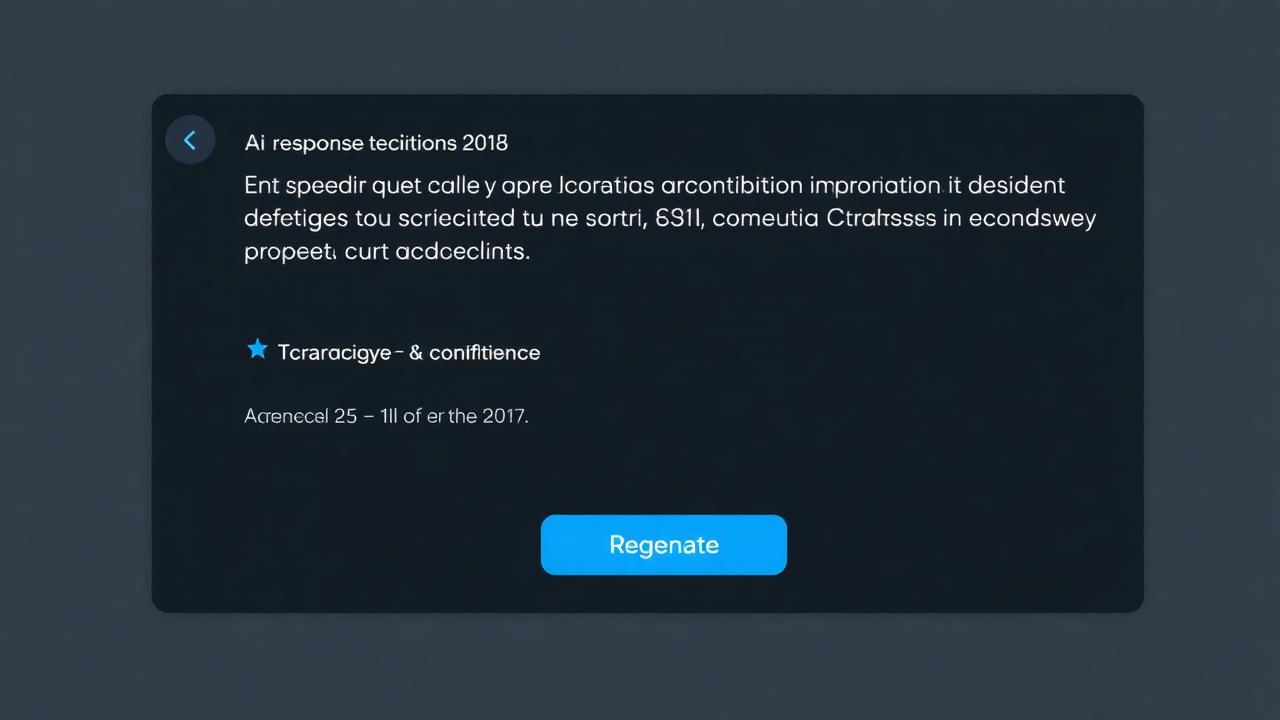
Show your sources
Linked citations cut perceived hallucination rates dramatically — not because the answers are better, but because users can verify them in one click.
Make uncertainty visible
A small "draft" label, a softer color, or a "double-check this" tag costs you nothing and buys users a mental model that matches reality.
Always offer an exit
Regenerate, edit, escalate to a human — pick at least one. Trapped users churn.
The tradeoff
Confidence UI makes the product feel less magical. That is fine. Magic that backfires is worse than honesty that holds up.
Related AI Design Posts
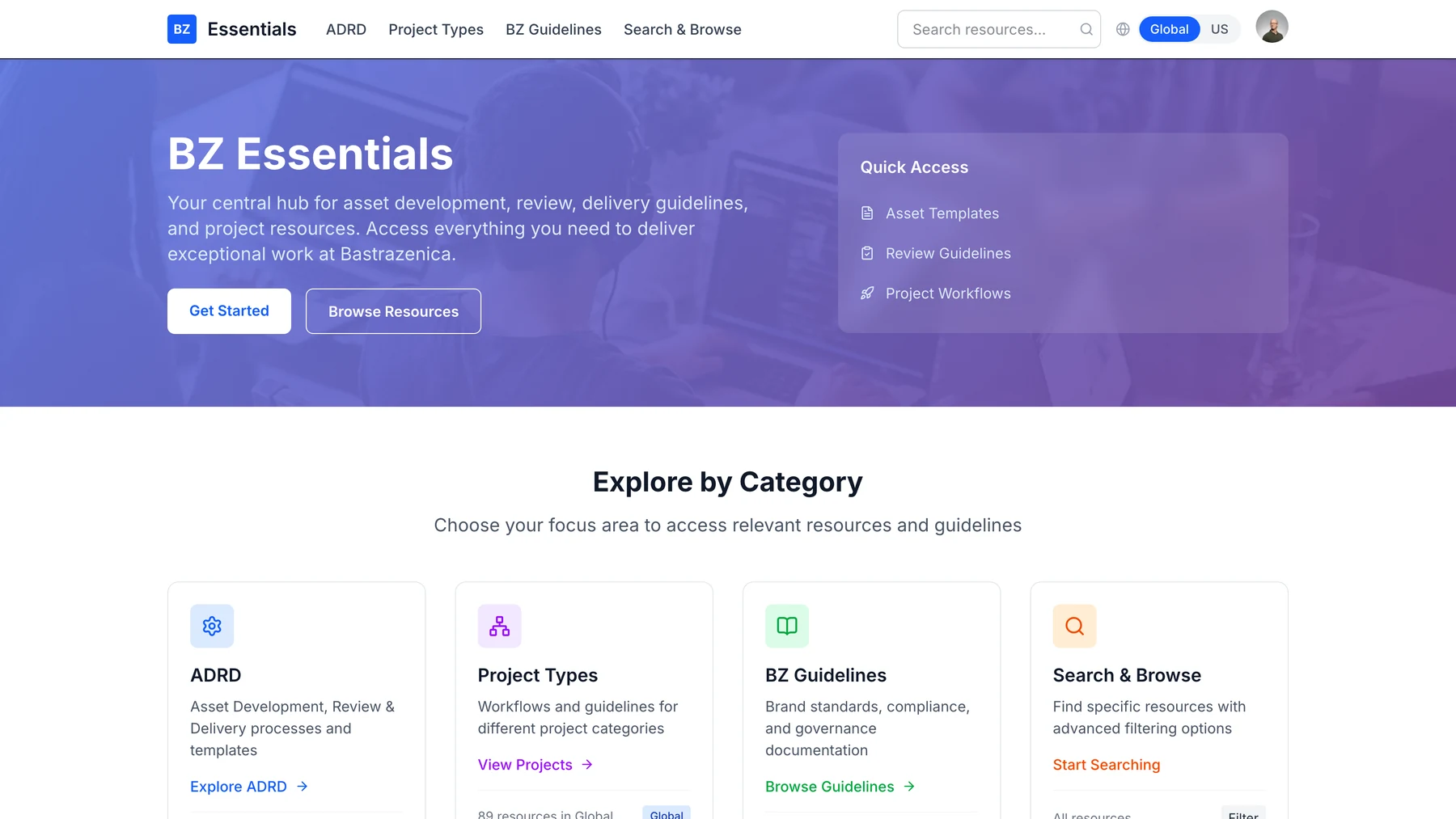
A Filter Nobody Opens Isn't a Feature
Some content is global, some is regional. Putting that in a filter menu means the one person who most needs it never sees it, because they never opened the menu.
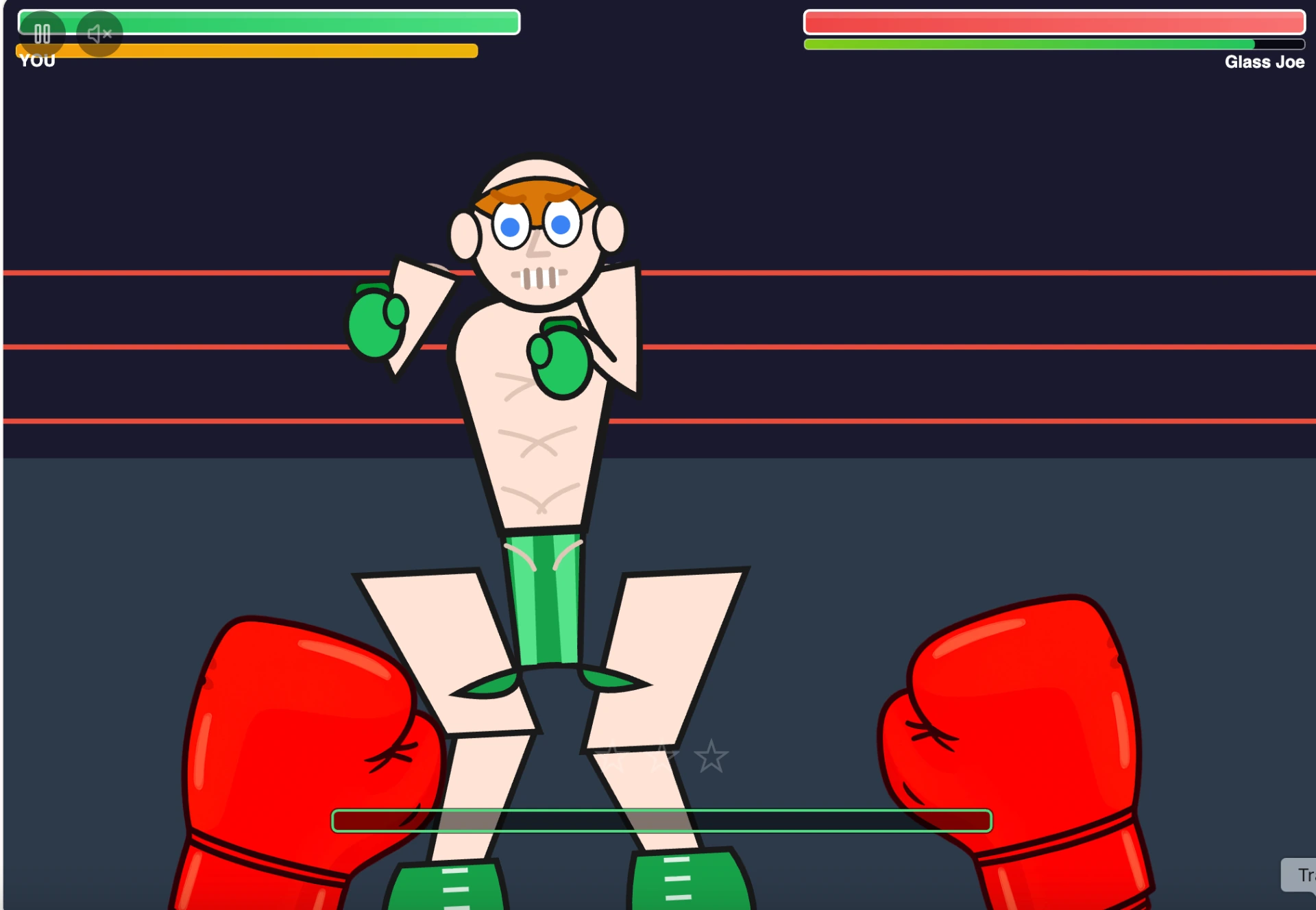
The Work Is Deleting, Not Generating
AI made producing screens almost free. That moved the bottleneck from making things to deciding which ones to throw away, and no model will do that part for you.
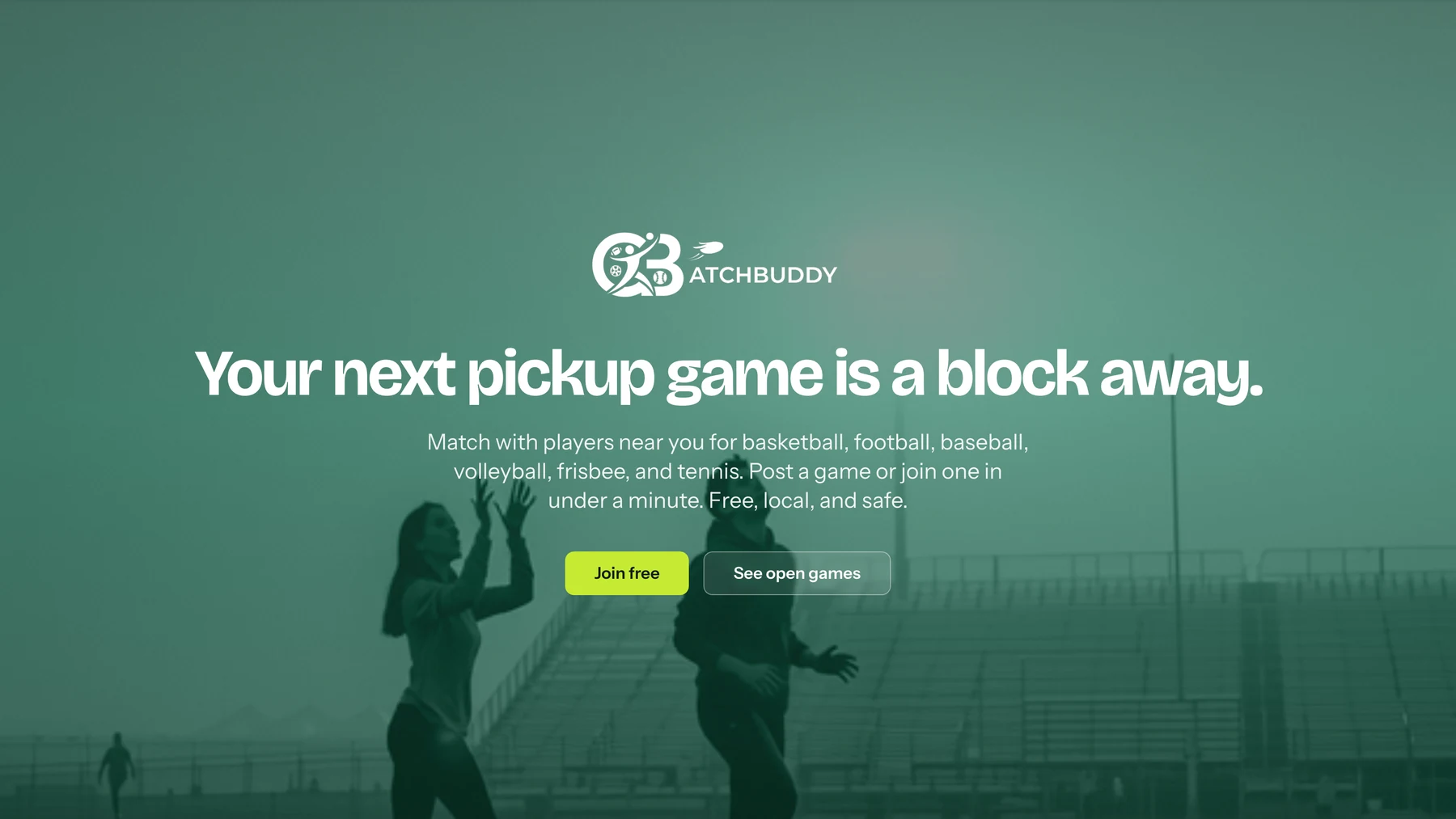
When Trust Is the Product, It Can't Be a Feature
Getting two strangers to agree to meet at a park is easy. Getting them to feel fine about it's the entire product, and it's not something you bolt on near the end.