Verification Is a Door, Not a Sticker
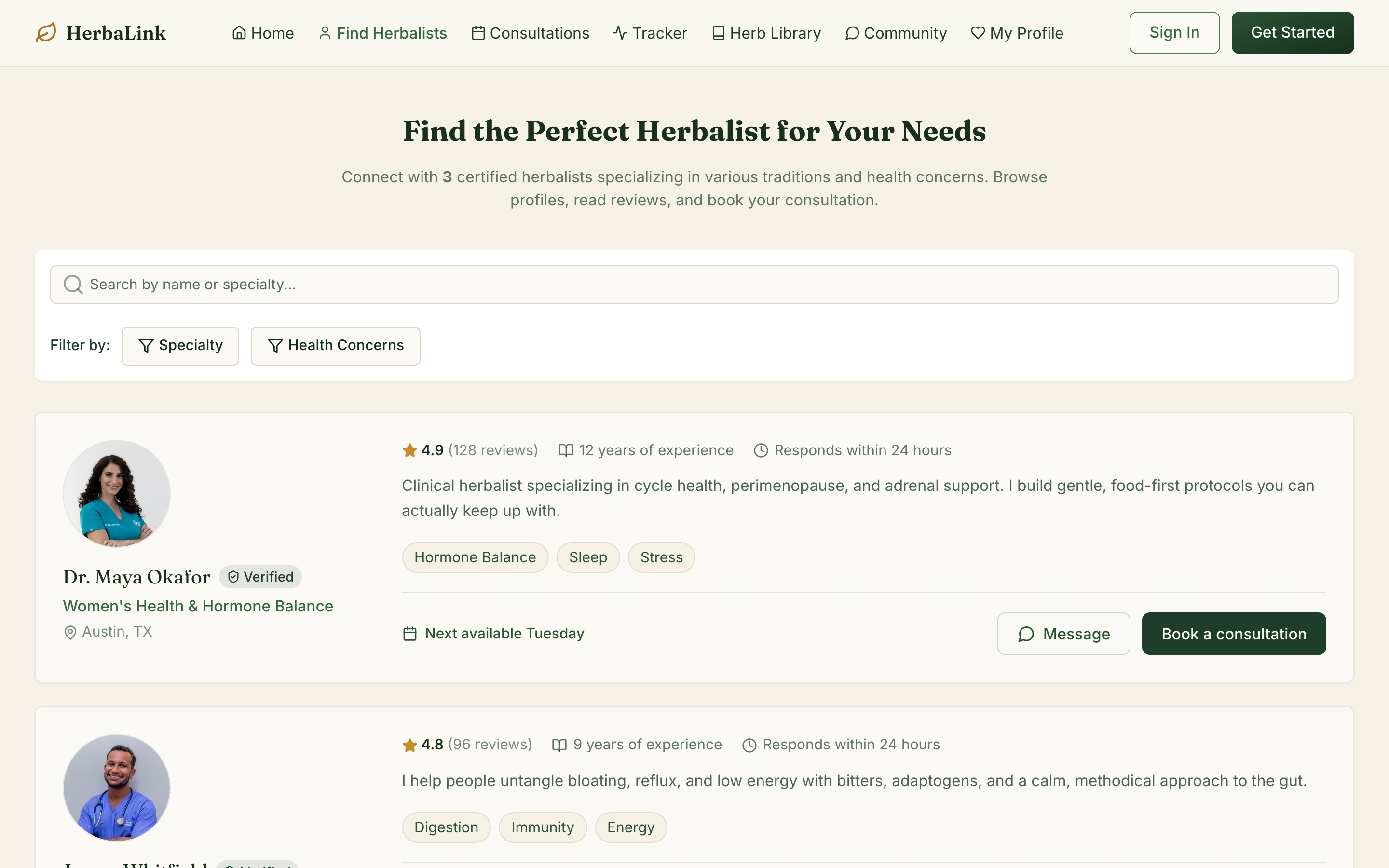
Most directories let anyone list, then put a badge on whoever checked out. Flipping that, nobody is visible until they're verified, gives you a smaller catalogue and a far more honest one.
There are two ways to handle verification in a marketplace, and they look similar on a feature list.
The common one: anyone can list, and the ones who pass a check get a badge. The catalogue is big, and the reader does the sorting.
The other one: nobody is visible until they're verified. The catalogue is smaller, and the platform does the sorting.
Why the Badge Fails
A badge assumes the reader knows what its absence means. They do not. An unbadged listing reads as "not checked yet", not as "we couldn't confirm this person is who they say they are".
Worse, it puts the judgement back on the person least equipped to make it. In a health category, that person came to you because they couldn't tell the difference. Handing them a mixed list and a badge system is handing back the exact problem they arrived with.
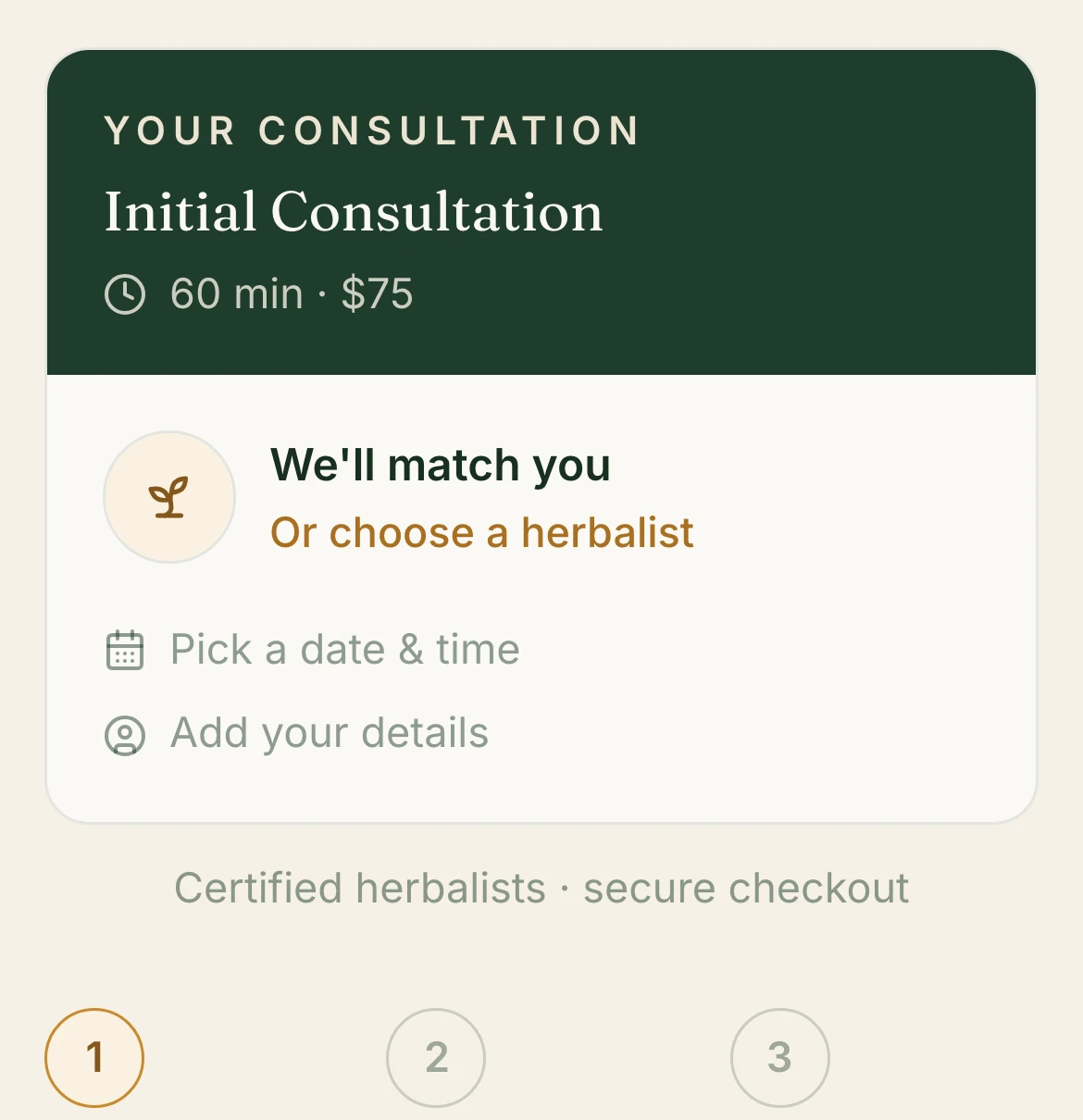 One guided question in place of a filter panel. Filters assume you already know what you need, which is the reason you're here.
I Tested It the Other Way
I tried adding a couple of hundred unverified practitioners to see how the product felt with a fuller catalogue. It felt worse. Every listing now needed a judgement call from the one person who came here specifically because they couldn't make one.
Smaller and honest beat bigger and ambiguous, and it wasn't close.
A deliberately smaller catalogue. Nothing unverified is listed at all, so there's no badge left for anyone to interpret.
The Cost, Stated Plainly
This choice has a real price and I am not going to pretend otherwise. A gated directory grows slowly, because every listing is work. Mine is currently empty of practitioners. The product is built and verified sign-ups haven't happened yet.
That's the trade, and I'll own it. A badge system would have given me a full-looking directory much faster, and it would have been full of people I couldn't vouch for. In a category where being wrong lands on someone's health, I would rather have the empty version.
The cost-effective user research methods , what I cut, and where it actually stands are in the HerbaLink case study.
Related UX Design Articles
When Trust Is the Product, It Can't Be a Feature
Getting two strangers to agree to meet at a park is easy. Getting them to feel fine about it's the entire product, and it's not something you bolt on near the end.
Designing for Trust When the Product Is the Risk
Most software fails softly. Some of it fails into someone's health, money, or safety. When being wrong has consequences, trust stops being a layer and becomes the product.
The Work Is Deleting, Not Generating
AI made producing screens almost free. That moved the bottleneck from making things to deciding which ones to throw away, and no model will do that part for you.