Finding the Data Is Half the Job
An analyst searches for revenue and gets forty results. The search worked. The next twenty minutes, deciding which table to trust, is the part nobody designed.
Enterprise search gets measured on relevance. Did the right rows come back, how fast, ranked how well. By that measure the system I was asked to look at worked fine.
It was still costing people their afternoons.
Forty Results Is Not an Answer
An analyst searches revenue and gets forty results back. Then the real work starts. Which table is current. Which one was deprecated but never deleted, which the finance team actually uses, and whether any of them carries the definition of revenue this question needs.
That is twenty minutes of asking colleagues, opening tables, and eventually picking one on a hunch. The search took half a second. The decision took the rest of the morning.
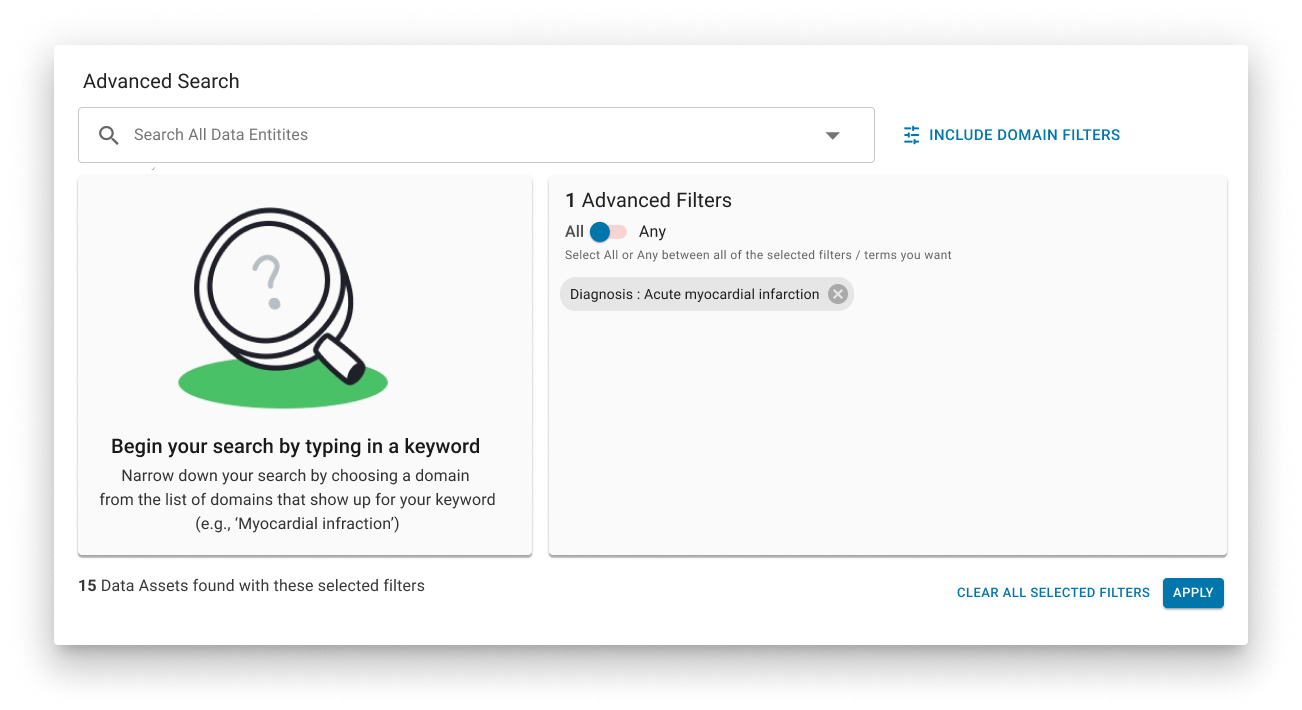 A filter chip and a count of matching assets. Nothing here says which of them is current, who owns it, or whether you can use it, and that is the decision the analyst is stuck on.
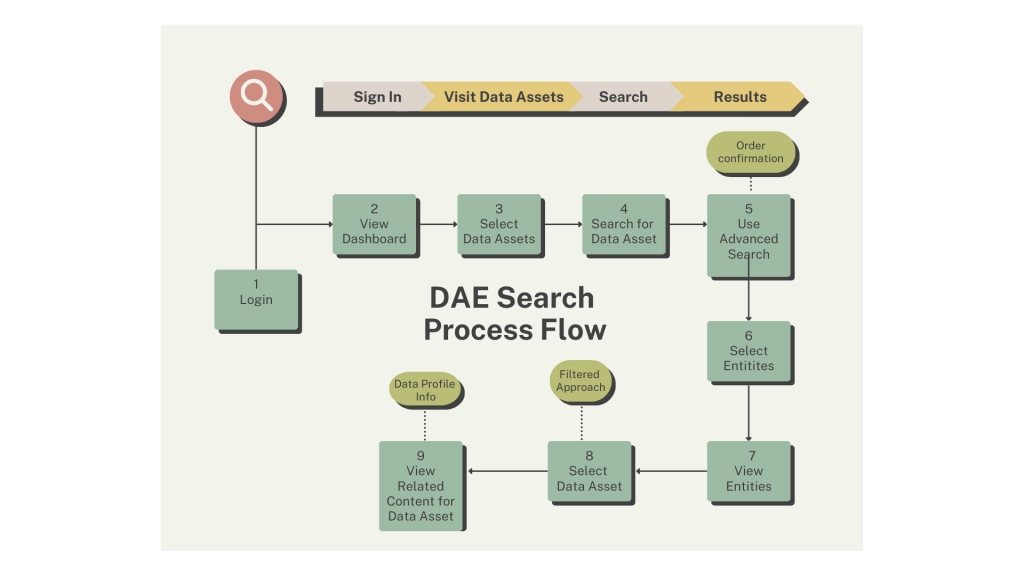 Nine steps from login to knowing anything real about one asset. Everything after “Results” is the analyst deciding what to trust.
Trust Is a Design Problem, Not a Data Problem
The instinct is to fix this upstream, with better governance, cleaner catalogues, someone to deprecate old tables properly. Worth doing, and it never finishes. Meanwhile the analyst still has forty results.
The design answer is different: put the trust signals on the result, where the decision is being made. How fresh is it. Who owns it. How many people query it. Is it certified. Does it look abandoned.
None of that's new information. It exists in the metadata already. It was just kept somewhere the person deciding never looked.
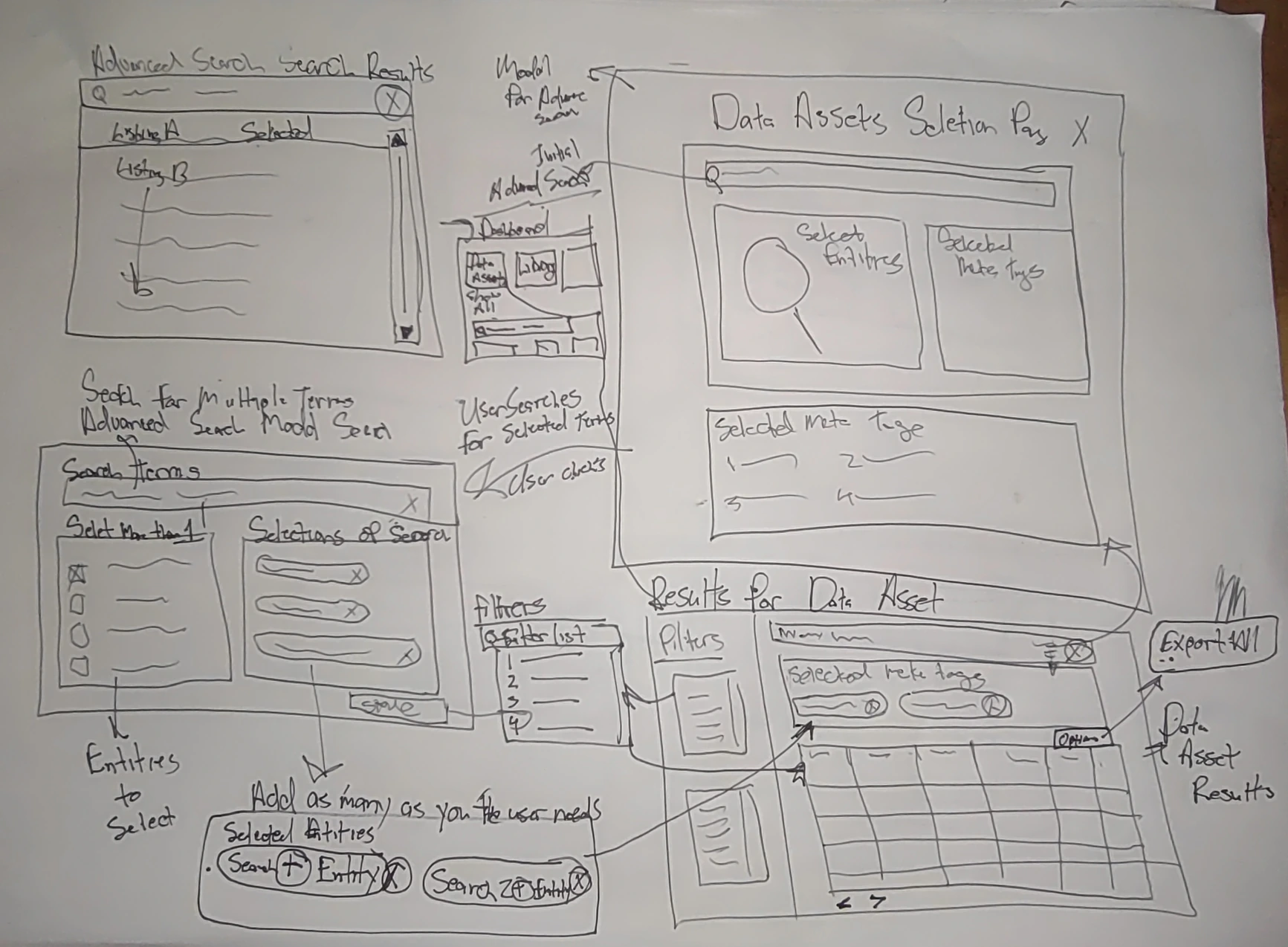 Sketching how much could sit in the list before it stopped being a list: multiple terms, selected entities, meta tags carried onto the result.
The Question Behind the Question
Every search interface assumes the user's question is "where is it". Often the real question is "which of these should I believe". Those need different screens.
If your users routinely find something and then go and ask a human whether to trust it, that conversation is a missing feature.
What I built, the two calls that changed it, and what I got wrong are in the DAE Search case study.
Related UX Design Articles
You Don't Replace Excel by Being Better Than Excel
A bank was running multi-million-dollar loan deals in spreadsheets. The software that replaces that has to lose to Excel on flexibility and win on the thing Excel can't do at all.
The Work Is Deleting, Not Generating
AI made producing screens almost free. That moved the bottleneck from making things to deciding which ones to throw away, and no model will do that part for you.
When Trust Is the Product, It Can't Be a Feature
Getting two strangers to agree to meet at a park is easy. Getting them to feel fine about it's the entire product, and it's not something you bolt on near the end.