
Why Enterprise Tools Lose to Excel
Your real competitor is not the other vendor in the bake-off. It is a spreadsheet one person built, everyone trusts, and nobody can be forced to abandon.
I spent years designing software inside banks and large enterprises. Every one of those products had the same competitor, and it was never the one named in the evaluation. It was a spreadsheet on somebody's machine, maintained by one person, trusted by everyone, and mentioned in no strategy document anywhere.
Teams lose that fight constantly and then explain it as change resistance. It is not change resistance. The spreadsheet is genuinely winning on the things that decide adoption.
What the Spreadsheet Is Actually Beating You On

It fits the work exactly, because the person doing the work built it. Not approximately. Exactly, down to the column they added last Thursday for the one deal that behaves differently from every other deal.
It never says no. Enterprise software is largely a catalog of things you are not permitted to do, enforced at the worst possible moment. A spreadsheet at six in the evening the night before a deadline lets you type whatever needs to be there and sort it out afterward.
It has a perfect designing trust into AI record. Nobody's spreadsheet has ever silently reassigned their data, lost a row to a sync, or shown them a number they could not trace. It has never surprised them. Your tool, on its first bad day, will.
Nobody has to be trained on it. The person already knows where everything is because they put it there.
Read that list back. Fit, permissiveness, trust, familiarity. Nothing on it is a feature. That is why feature parity never wins the argument.
What Finally Worked
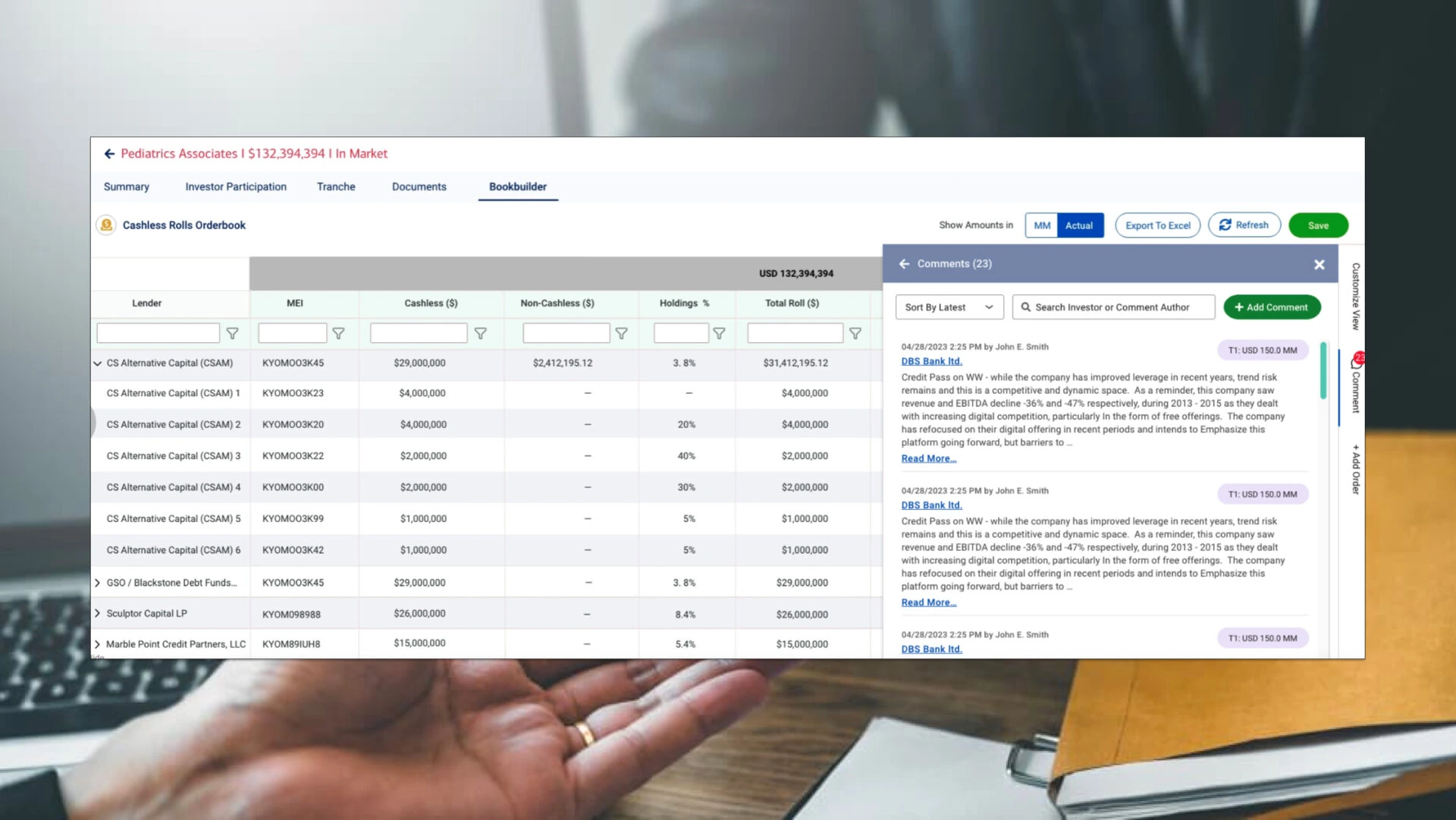
The investor loan platform I worked on had to replace Excel as the system of record for multi-million-dollar loan deals. Three previous attempts had already failed. Those attempts were not ugly and they were not technically incompetent. They lost on the four things above.
What changed it was putting the audit trail next to the record. Never in a separate history view, never exported on request. Right there, so anyone could see who changed what and when without asking a person for it.
That one decision moved compliance from the group slowing adoption to the group arguing for it, because the spreadsheet could not do it at all. I stopped competing on being a better place to store the data and started competing on something a spreadsheet is structurally incapable of. That is the only kind of argument that wins.
Trust Is a Separate Product Problem From Access
DAE Search was enterprise data discovery, and it taught me the version of this that applies to every internal tool. Finding the data is half the job. Trusting it is the rest.
An analyst who finds a table but cannot tell where it came from, how fresh it is, or who owns it has not been helped. They will do what they have always done, which is pull it into a spreadsheet, verify it by hand, and keep that spreadsheet as the version they believe. Every internal tool that skips provenance manufactures the exact shadow copies it was built to eliminate.
Consolidation Is the Real Pitch
The operations platform I designed for small businesses did not win on any individual capability. Scheduling, invoicing, and tasks all existed elsewhere and mostly worked. What was killing people was that they lived in three places, so the same information got retyped and drifted apart.
Fragmentation is the one thing a spreadsheet cannot fix, because the standard response to fragmentation is another spreadsheet. Being one place beats being better at any single thing.
Design Rules I Actually Use Here
- Day one cannot be an empty screen. If the first task is manual entry of everything they already have, the spreadsheet stays open next to your tool and you have lost.
- Ship an escape hatch. A field for the case your model did not anticipate, and an export that works. Refusing to export does not trap anyone, it just tells them you know they want to leave.
- Show the whole thing. A spreadsheet puts everything on one surface. Paginated detail views feel tidier and make people feel like they cannot see their own work.
- Never lose an edit. One unexplained data loss undoes a year of good behavior.
None of this is discoverable from a requirements document. You find it by sitting with the people doing the work and watching which columns they actually touch, which is the same reason a real workflow only reveals itself once something running is in front of someone.
You are not competing with the last vendor. You are competing with a habit that has never once let somebody down. Beat it on something it cannot do, or leave it alone.
Related AI Design Posts
A Filter Nobody Opens Isn't a Feature
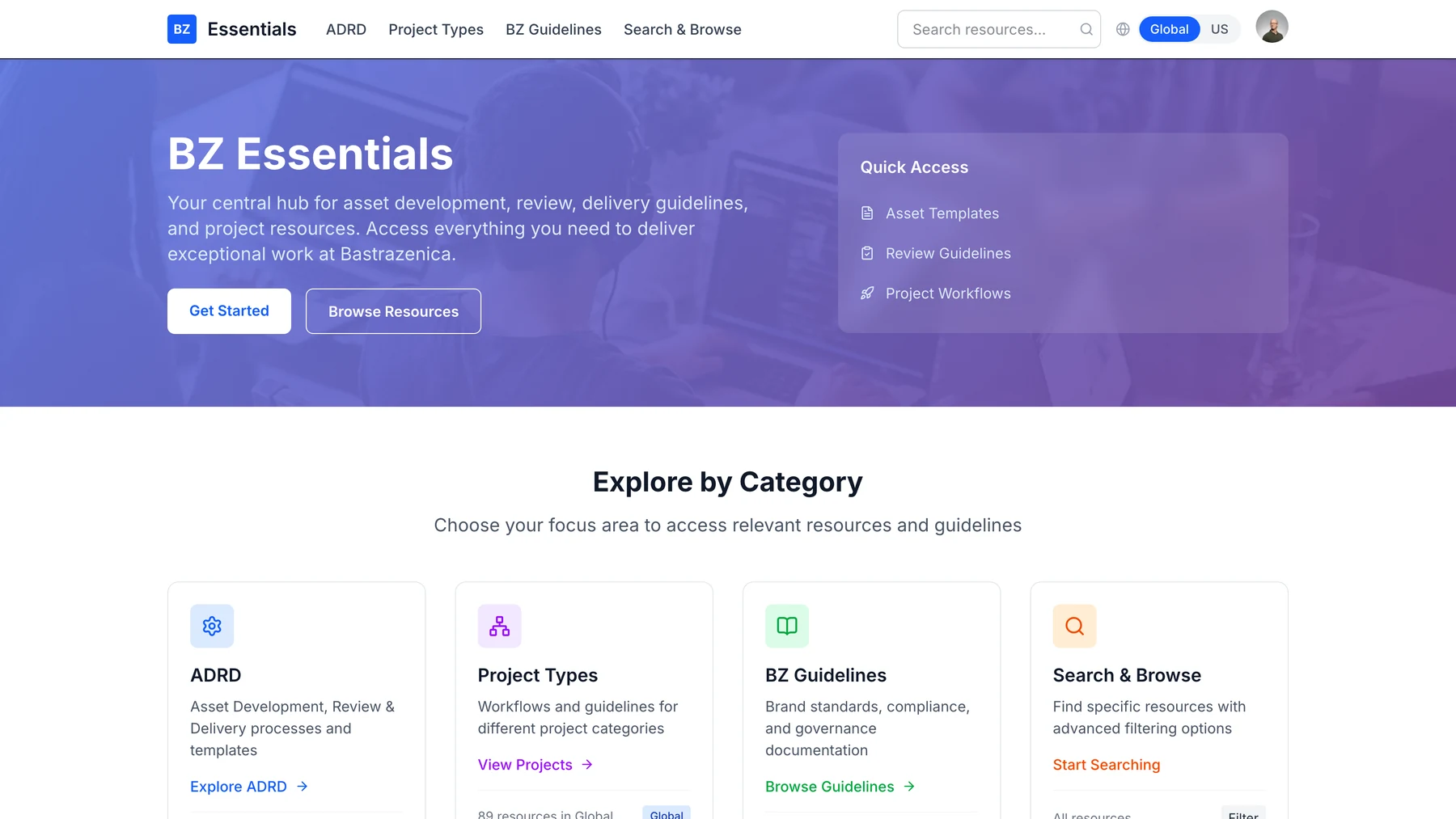
Some content is global, some is regional. Putting that in a filter menu means the one person who most needs it never sees it, because they never opened the menu.
The Work Is Deleting, Not Generating
AI made producing screens almost free. That moved the bottleneck from making things to deciding which ones to throw away, and no model will do that part for you.

When Trust Is the Product, It Can't Be a Feature
Getting two strangers to agree to meet at a park is easy. Getting them to feel fine about it's the entire product, and it's not something you bolt on near the end.