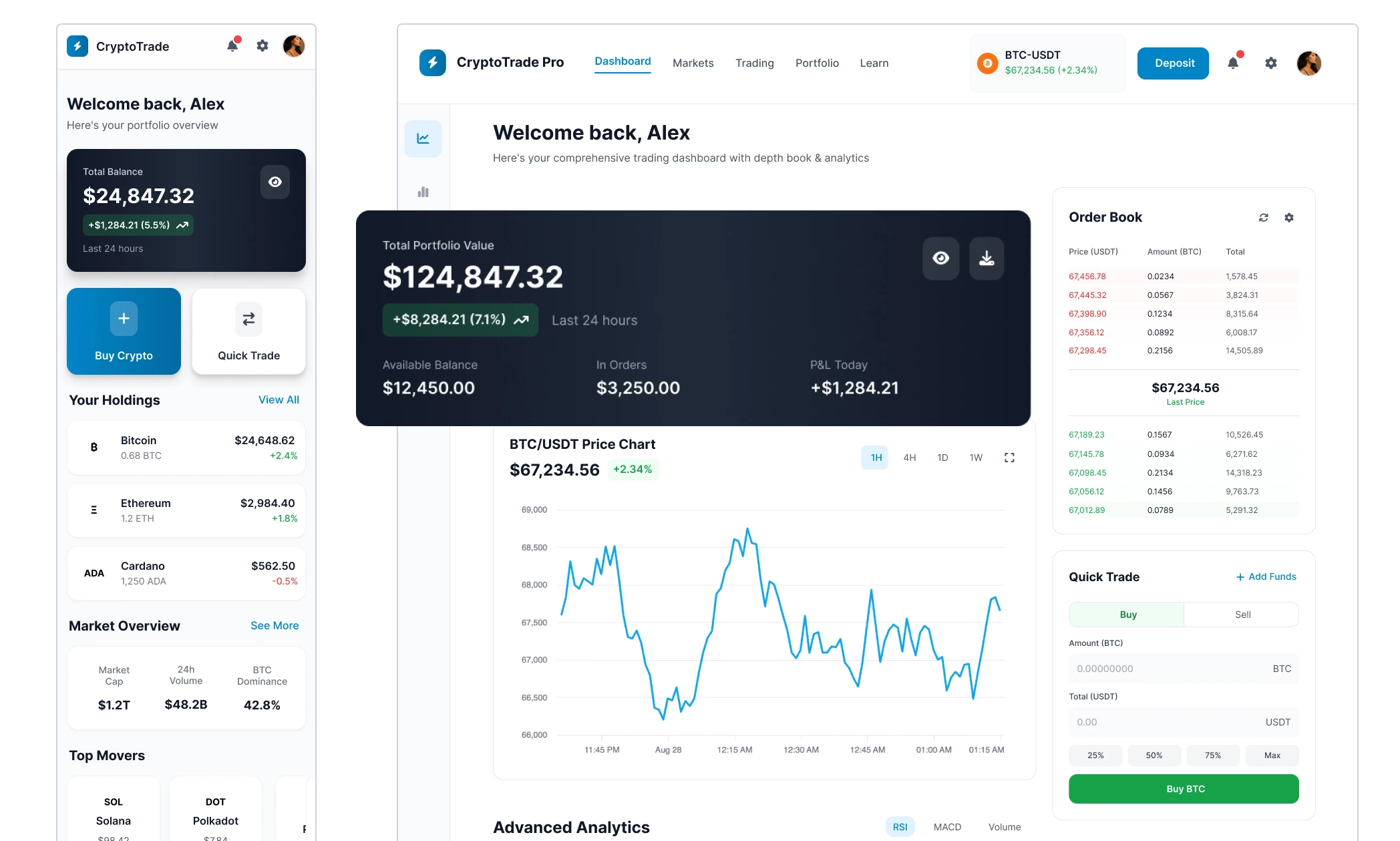
Beginner or Pro Is a False Choice, and Both Sides Pay for It
Easy apps hide complexity and charge for it. Pro apps expose everything and assume confidence you may not have. The split is a business decision dressed up as a design one.
Every trading product picks a side. The easy ones hide the machinery: big buttons, few numbers, a reassuring tone. The pro ones expose all of it: order books, depth charts, slippage settings.
The industry treats this as a segmentation strategy. It's closer to a tax, and both segments pay it.
What Each Side Actually Pays
Beginners pay in spread. The simplicity is real, and it's funded by a worse price than the one on the pro venue. The interface that protects you from complexity is also the interface that stops you seeing what you were charged.
Pros pay in friction. Every confirmation step, every are-you-sure, every hand-holding tooltip was designed for someone else and can't be turned off. They are paying, in time and clicks, for a safety net built to somebody else's size.
Neither group is being served well. Each is subsidising the other's assumptions.
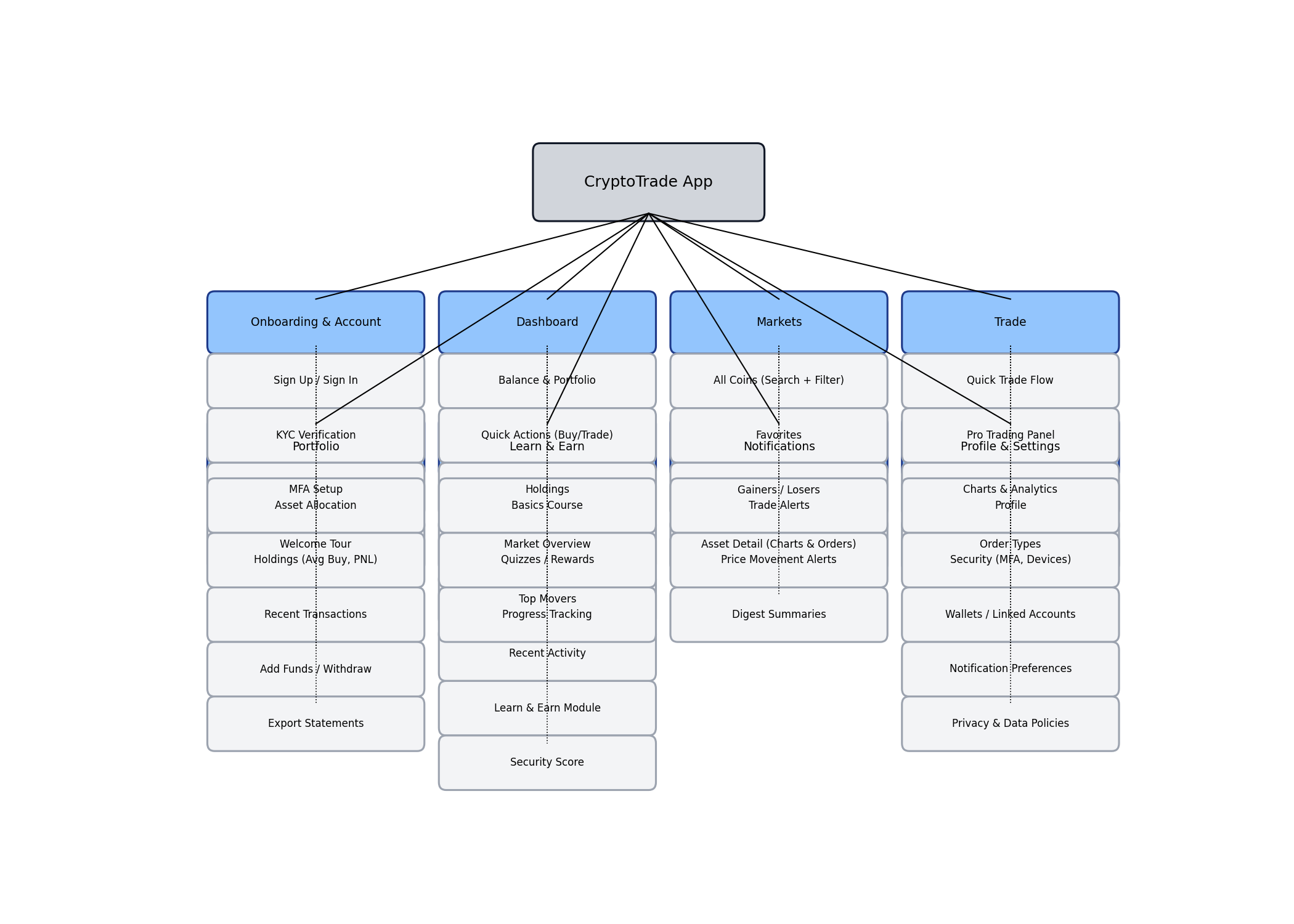 One platform serving both audiences without forking the product. The mode is a setting you flip.
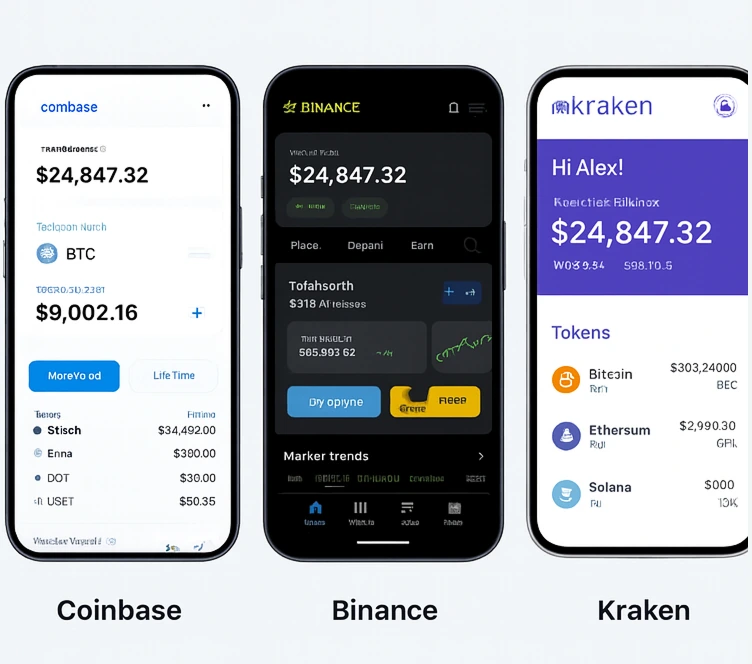 The teardown: easy apps hide the spread, pro apps assume confidence you may not have. Both charge for the same decision.
Progressive Disclosure Is Not a Compromise
The reason products fork into two apps is that "serving both" gets read as "average the two", which produces something nobody wants. That's a failure of execution. The idea survives it.
The version that works is a single surface with one honest default and everything else one deliberate step away. The beginner never has to see the depth chart. The pro never has to click through a wizard to reach it. Nothing is hidden. It's layered.
The Question to Ask
When someone tells you a product has to pick an audience, ask what specifically breaks if it does not. Often the honest answer is "the pricing model" rather than "the interface".
Worth knowing, because it means the constraint is commercial and can be argued with, instead of being a law of design that cannot.
The flows and the system that came out of it are in the Gold2Crypto what a portfolio proves now .
Related UX Design Articles
If You Make People Do Maths, They Guess or They Leave
A price of 67¢ tells you the odds are 67%. Almost nobody works that out in their head, and the ones who try get it wrong. Do the arithmetic for them.
You Don't Replace Excel by Being Better Than Excel
A bank was running multi-million-dollar loan deals in spreadsheets. The software that replaces that has to lose to Excel on flexibility and win on the thing Excel can't do at all.
The Work Is Deleting, Not Generating
AI made producing screens almost free. That moved the bottleneck from making things to deciding which ones to throw away, and no model will do that part for you.